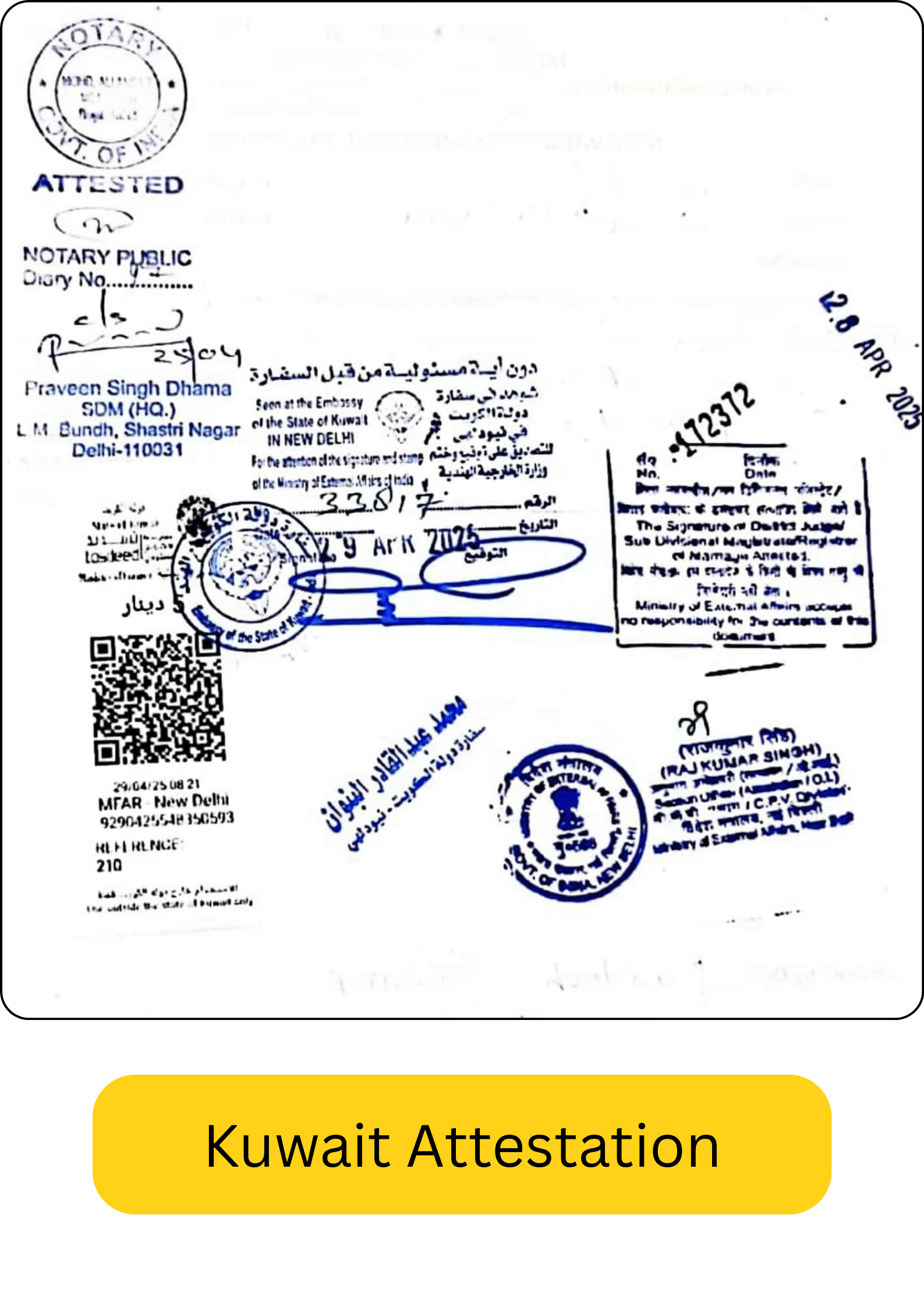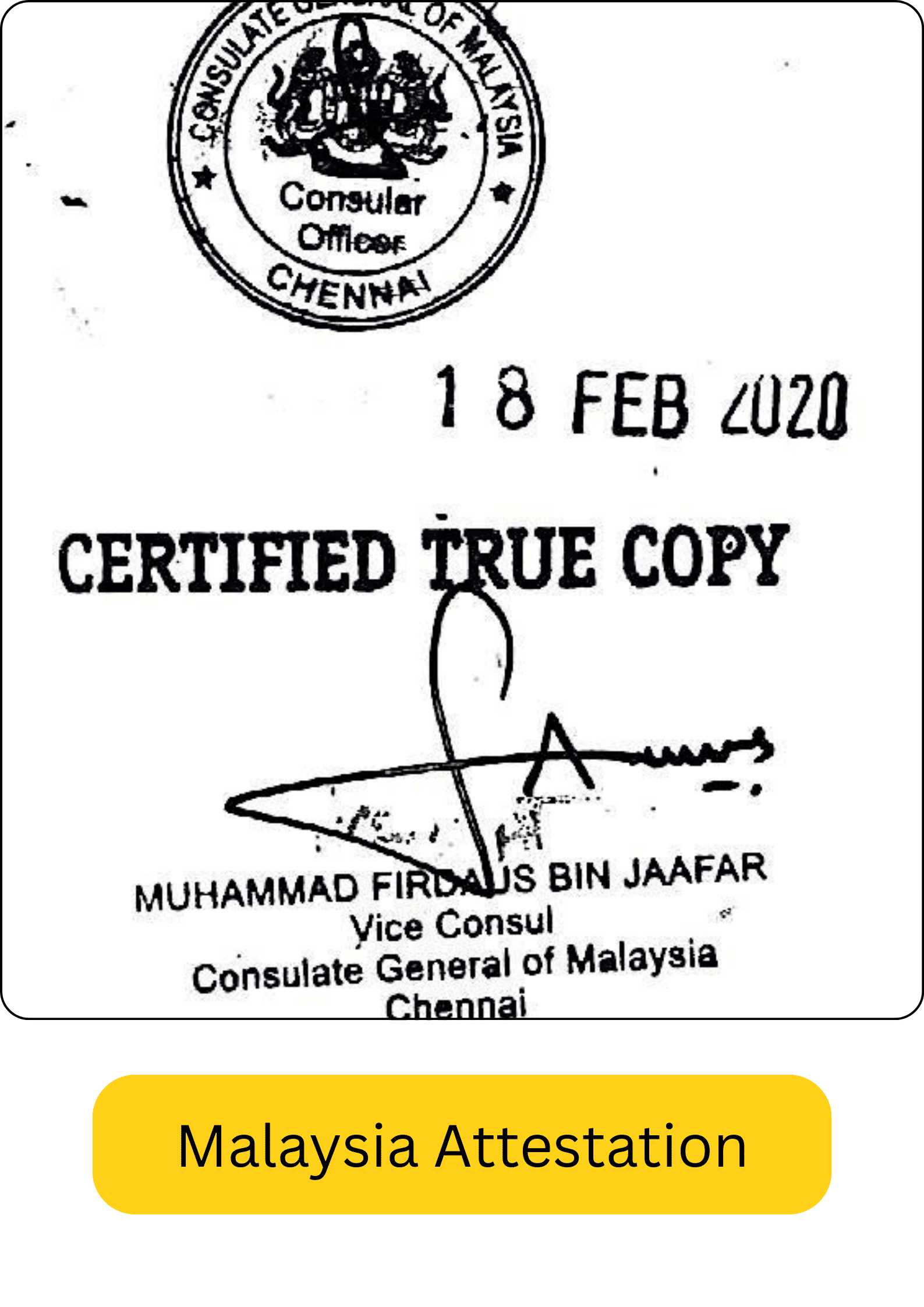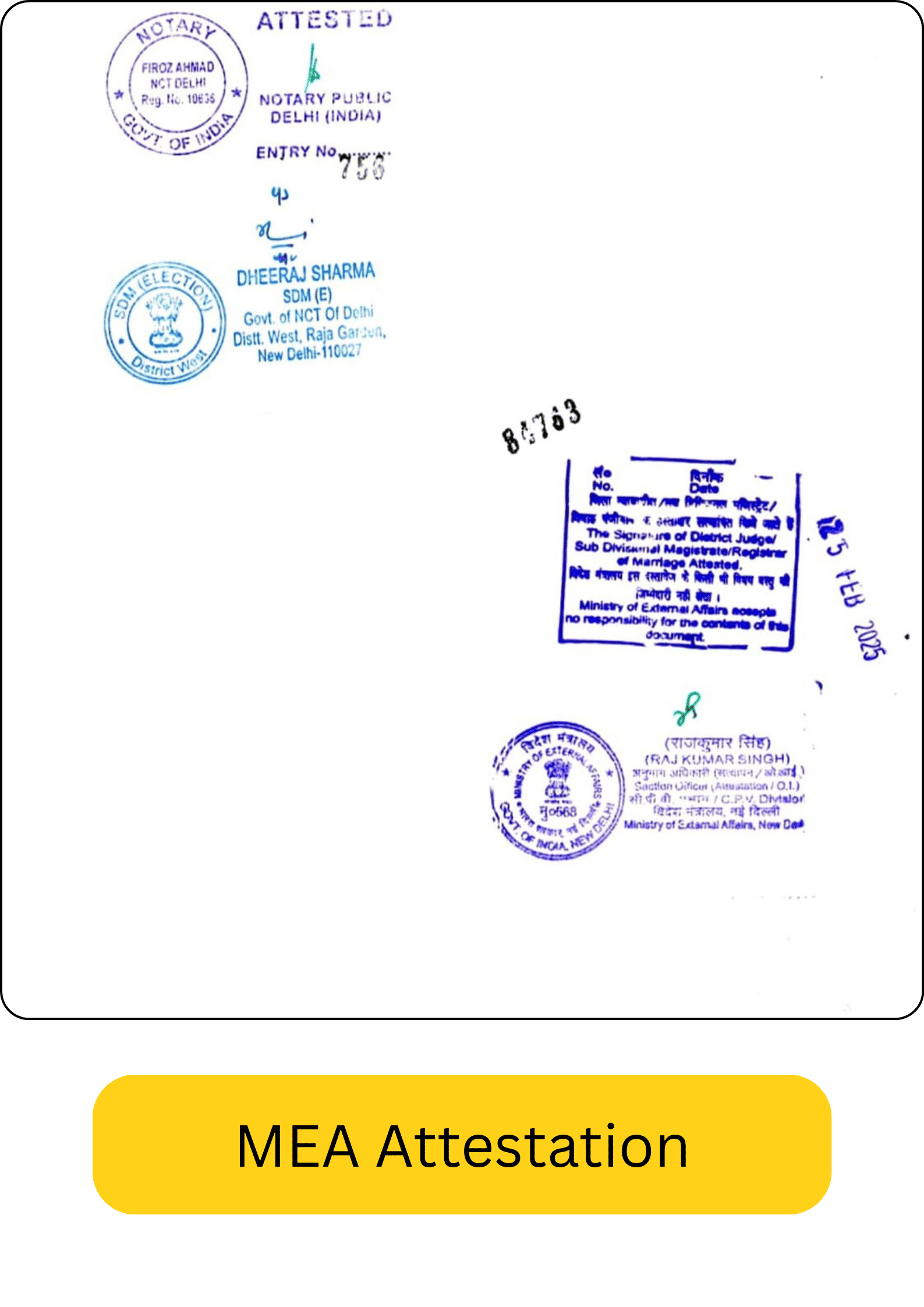
Education is now a passport to opportunities in the world. It may be necessary to have your academic degrees verified before they are accepted in another country if you want to study abroad, apply for a job overseas, get professional licensing or immigration.
The apostille of the documents of education is very important for Indian students and professionals. Authorized educational certificates are required for authentication of educational qualifications by many foreign universities, employers, licensing authorities and immigration departments to confirm their authenticity.
Vedic Global Services provides a detailed explanation of the entire educational certificate apostille, educational attestation, and educational document legalization process in India, covering the preparation of documents, the procedure, and the final authentication.
What Is Apostille of Education Documents?
The apostille of education documents is an internationally accepted authentication process for the verification of the authenticity of educational certificates to be used in countries that have ratified the Hague Apostille Convention.
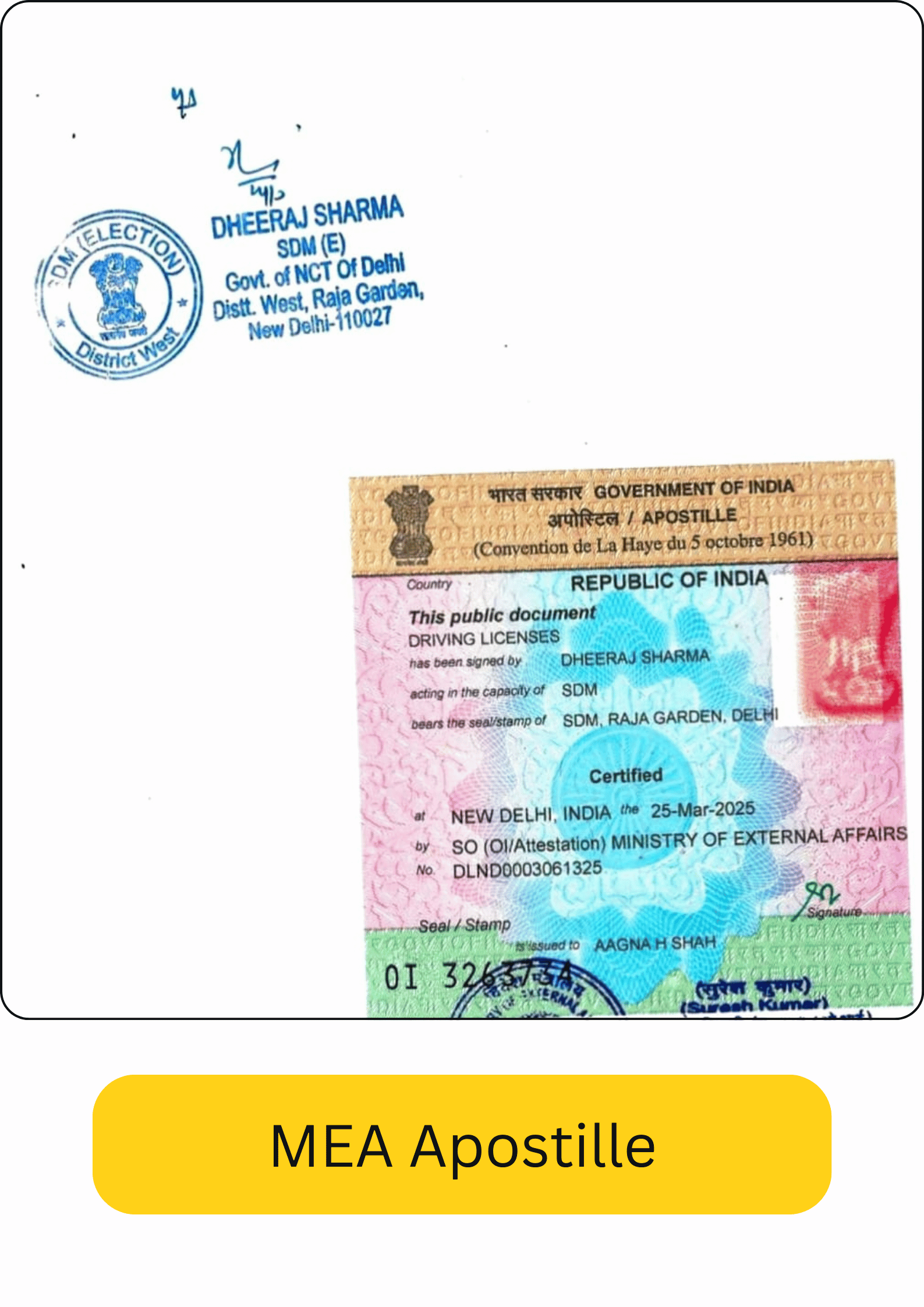
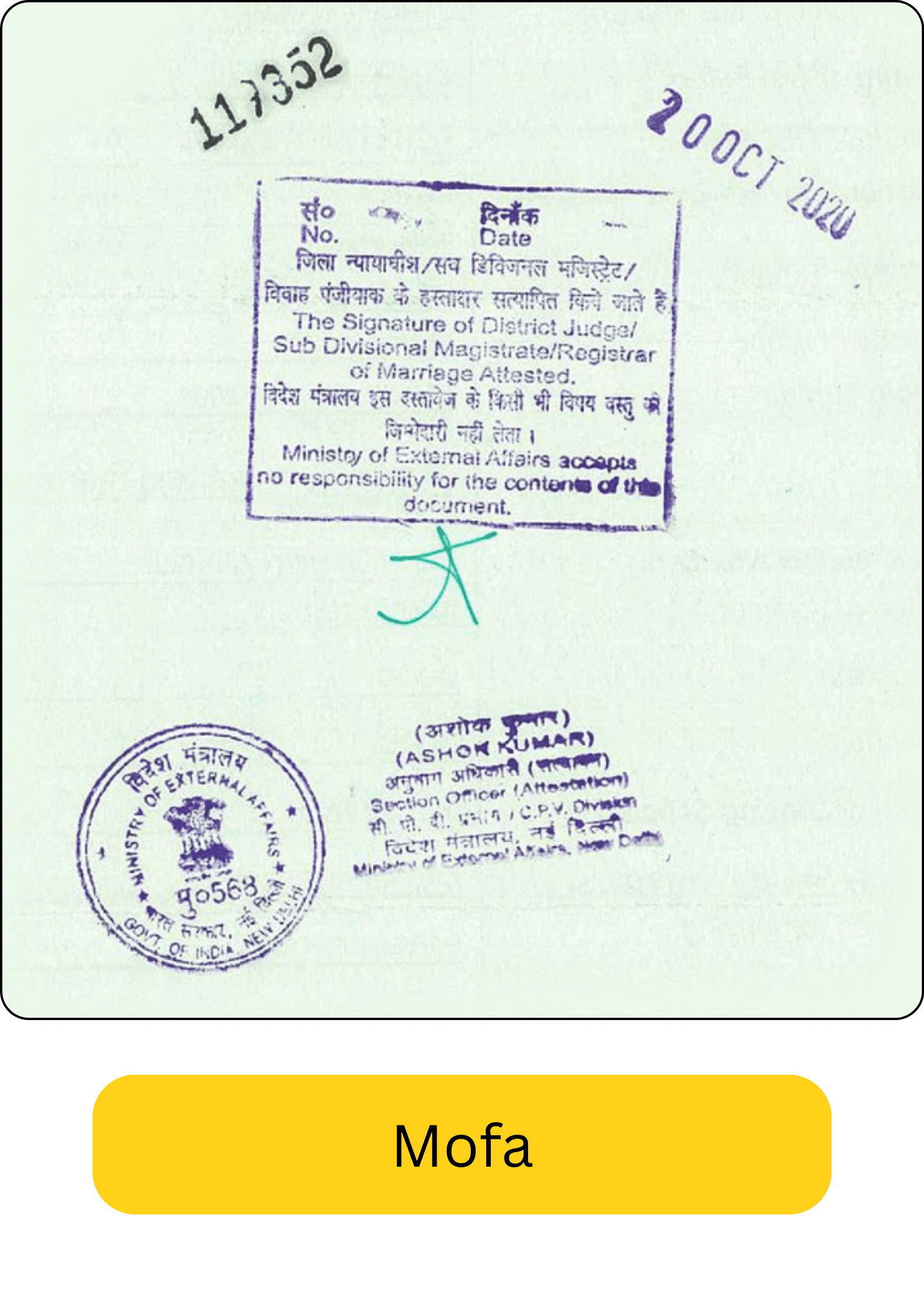
The Ministry of External Affairs (MEA) is the body in India that issues apostilles. After the apostille is issued, the certificate verifies the authenticity of the educational document and makes it possible to use it without further legalization by the embassy of the Hague convention countries.
In today’s world, the apostille on educational documents is frequently mandated for entry into higher education institutions, work applications, professional registration and immigration in various countries.
Under what situations would you require an education certificate apostille?
In cases where you plan to use an education certificate outside of India, an apostille might be necessary.
Common situations include:
- University admissions abroad
- Student visa applications
- Employment opportunities overseas
- Skilled migration programs
- Professional licensing and registration.
- Credential assessment procedures
- Fellowship and research application
An apostilled education certificate allows foreign authorities to trust the authenticity of your education credentials.
Step 1: Identify the Destination Country’s Requirements
Applicants are advised to check in their destination country if Apostille certification is required or a full legalization is required, before starting the authentication process.
The countries that are part of the Hague Apostille Convention usually recognize an apostille educational document right away.
If a country outside the Hague Convention requires authentication of your education document, you will need to undergo other embassy authentication procedures.
The most crucial part of the process of authentication of education documents is the understanding of the requirements of the country to which the documents are being sent.
Step 2: Gather Your Educational Documents
If the requirements are verified, the applicants need to prepare the required certificates of education that need authentication.
These may include:
- Degree Certificates
- Diploma Certificates
- Academic Transcripts
- Mark Sheets
- Provisional Certificates
- Professional Qualification Certificates
- School Certificates
The process of preparing education documents for the apostille is smooth if documents are prepared properly.
Step 3: Educational Verification by the Issuing Authority
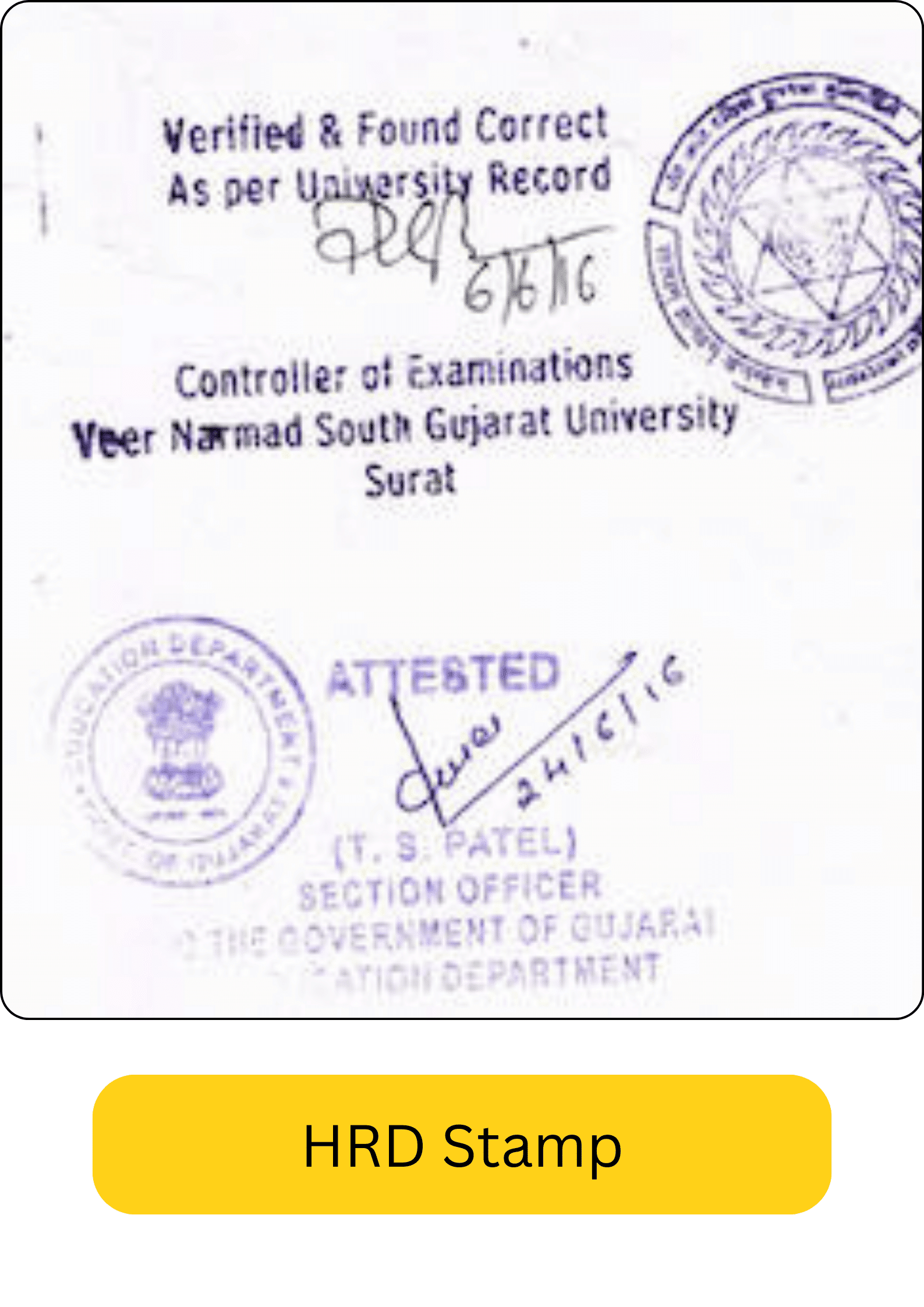
Educational certificates may require verification by the appropriate educational institution before an apostille can be issued.
This verification reserves that the certificate is indeed issued by the institute concerned and the details provided on the certificate is correct.
Educational verification is the basis of an education certificate apostille and generally required for most education documents.
Step 4: State University Certification Apostille Verification
The university or appropriate educational body now confirms the authenticity of the academic credential. This verification is a kind of official statement of the educational institution that it recognizes the certificate as authentic.
The certification stage by the State University is one of the most important steps in educational document authentication, as the Ministry of External Affairs only recognizes the Apostille after it has been certified by the State University.
However, the certification apostille stage is necessary for applicants desiring to be admitted or get a job in an international setting.
Step 5: Authentication Through Designated Authorities
Once the educational verification is complete, the documents are then sent through the appointed process of authentication according to the guidelines in force.
The competent authorities have verified it and the certificate is ready for final recognition.
It guarantees adherence to official procedures, whether the applicant needs apostille academic documents or educational certificate authentication in general.
Step 6: Ministry of External Affairs Apostille
After all the preliminary verification requirements are fulfilled, the educational documents are submitted to the Ministry of External Affairs.
The MEA makes a review of the verification records and issues the apostille certificate.
This is the last step in the apostille educational documents process for countries that honor the Hague Convention for Apostille.
The apostille certificate will be used as a universally accepted form of authentication of the educational document via the proper governmental processes.
Step 7: Education Document Legalization (If Required)
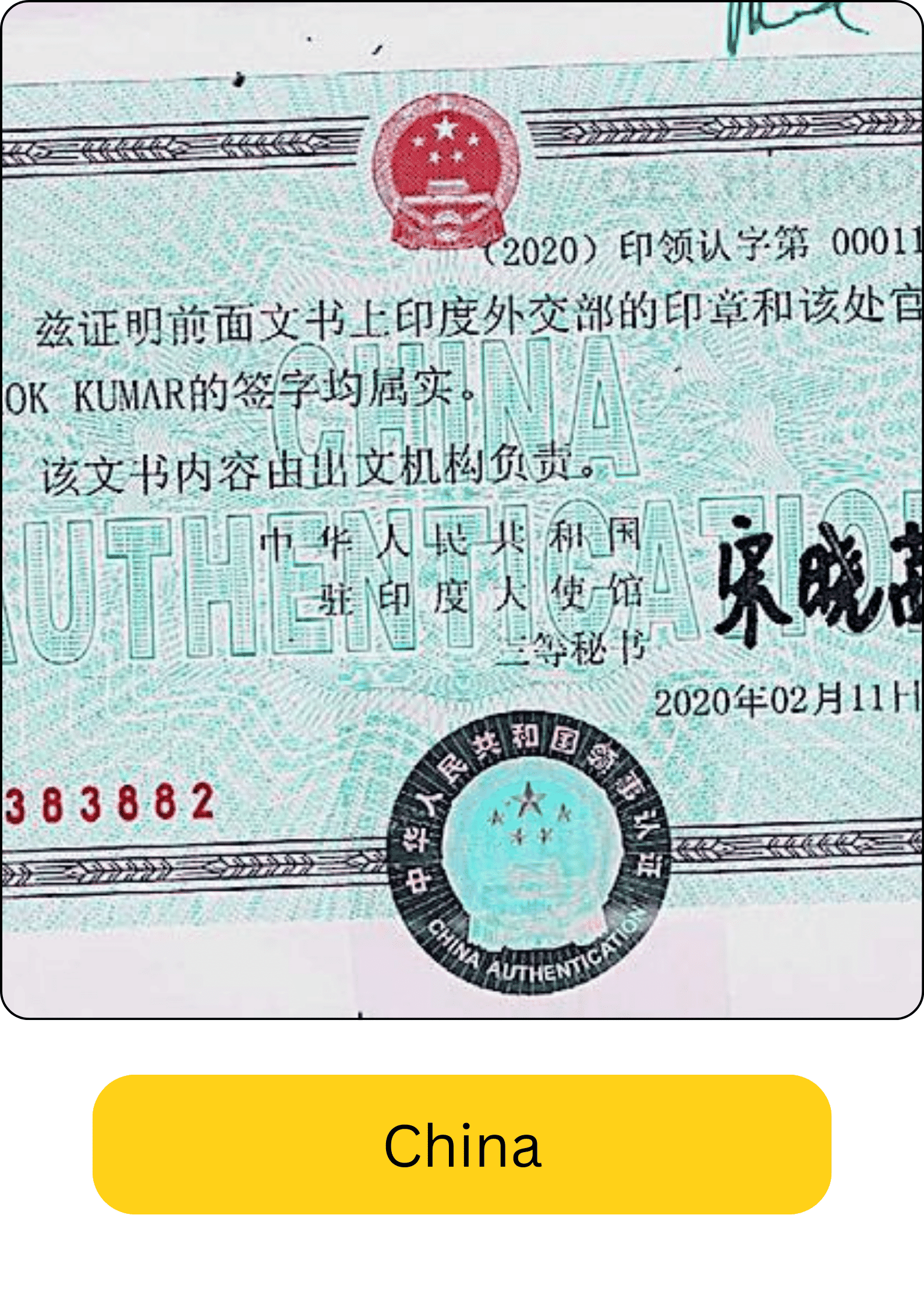
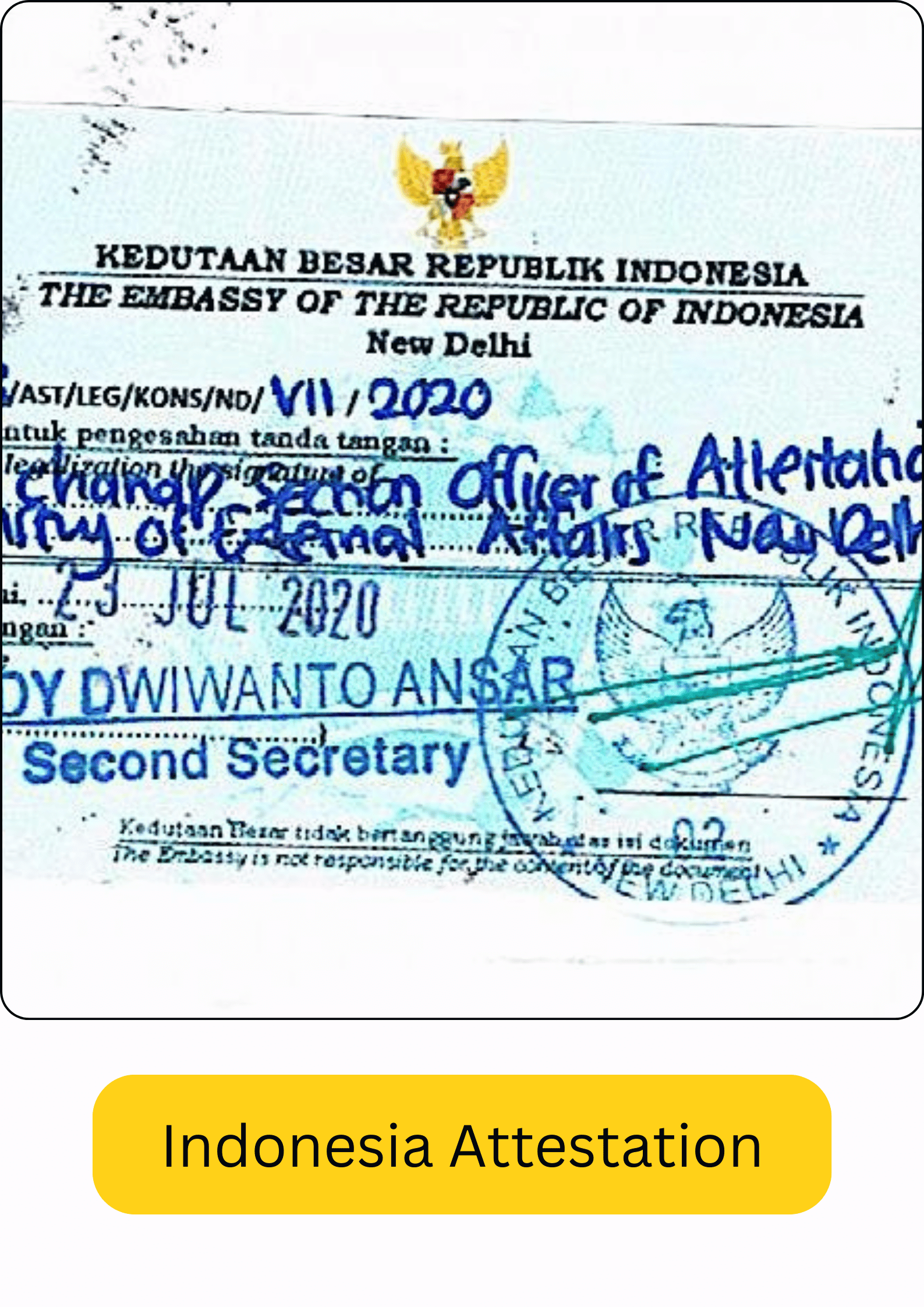
If the country is not a signatory to the Hague Apostille Convention, the applicant might have to obtain an education document legalization rather than an apostille.
In general, the process is:
- Educational Verification
- State Authentication
- Ministry of External Affairs Authentication
- Embassy or Consulate Legalization
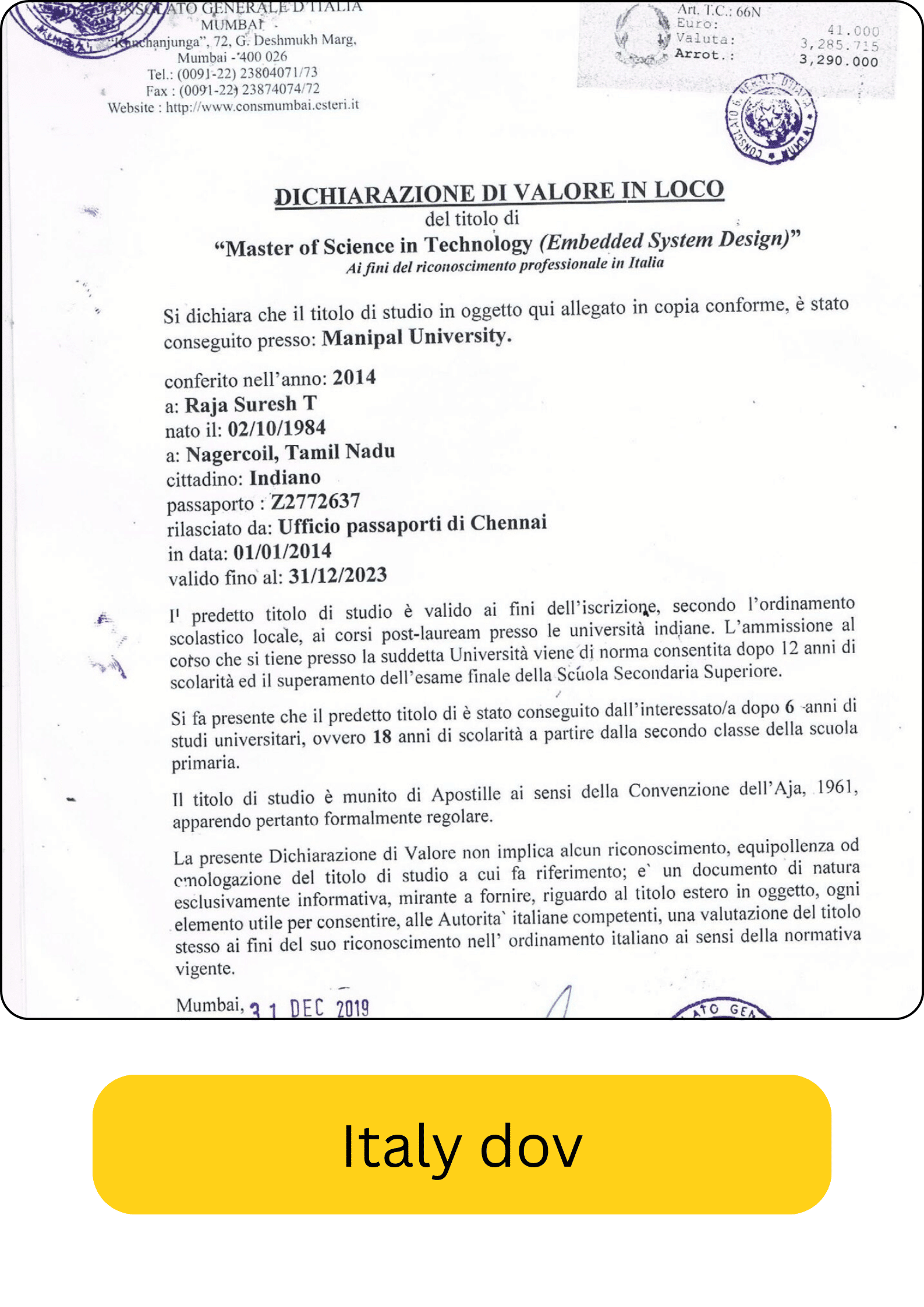
The document legalization for education is to give an extra level of validation prior to its implementation in foreign authorities.
Applicants are always advised to check with their Embassy if Apostille/education document legalization is needed before starting the process.
Step 8: Submission to Foreign Authorities
After the education documents are authenticated with the apostille or after legalization, these documents can be sent to the foreign institution concerned.
These may include:
- Universities
- Employers
- Immigration Authorities
- Licensing Bodies
- Government Departments
- Credential Evaluation Agencies
The verified documents in this stage are ready for official consideration and acceptance in an other country.
Apostille Academic Documents: The Significance of being fully authenticated.
While a lot of applicants pay attention just to degree certificates, foreign schools will take a look at a candidate’s total academic background.
That’s why the importance of apostille academic documents is growing in international applications.
When used correctly, Apostille academic documents enable institutions to confirm educational credentials accurately and streamline the admission process, job verification and immigration procedures.
The requirement for postilled academic documents will likely continue to rise as the world’s verification requirements grow and develop.
How Does Vedic Global Services Facilitate Educational Document Apostille
At Vedic Global Services, we know that educational document apostille is usually associated with various academic or professional objectives
The experts of our company guide candidates through each stage of the apostille of education documents process to make sure that all stages go smoothly.
We facilitate everything related to the apostille process, from education certificate apostille process to apostille of education documents, from state university certification apostille to education document legalization and apostille of academic documents.
We are here to provide all the necessary help and simplify the apostille process for every candidate.