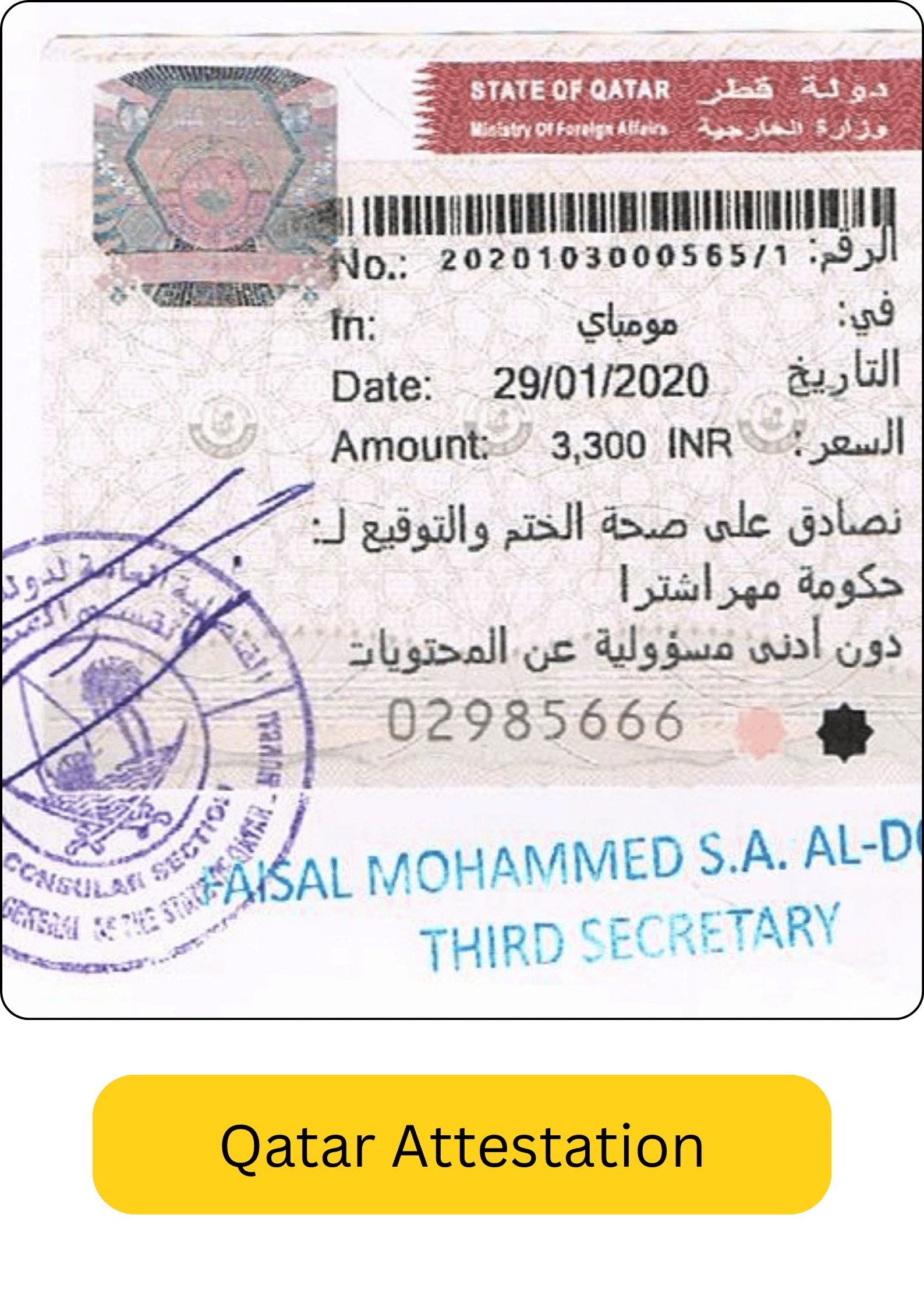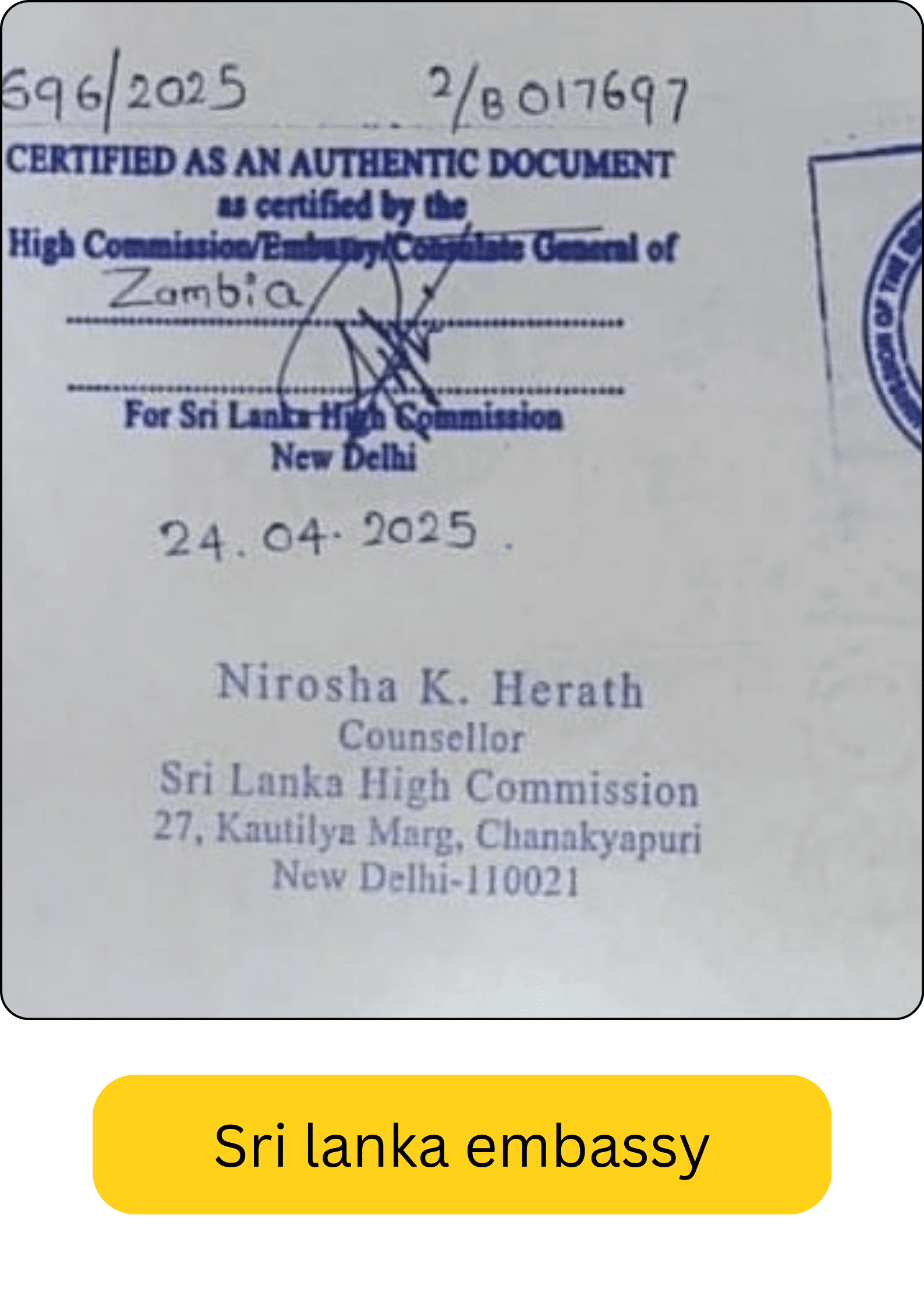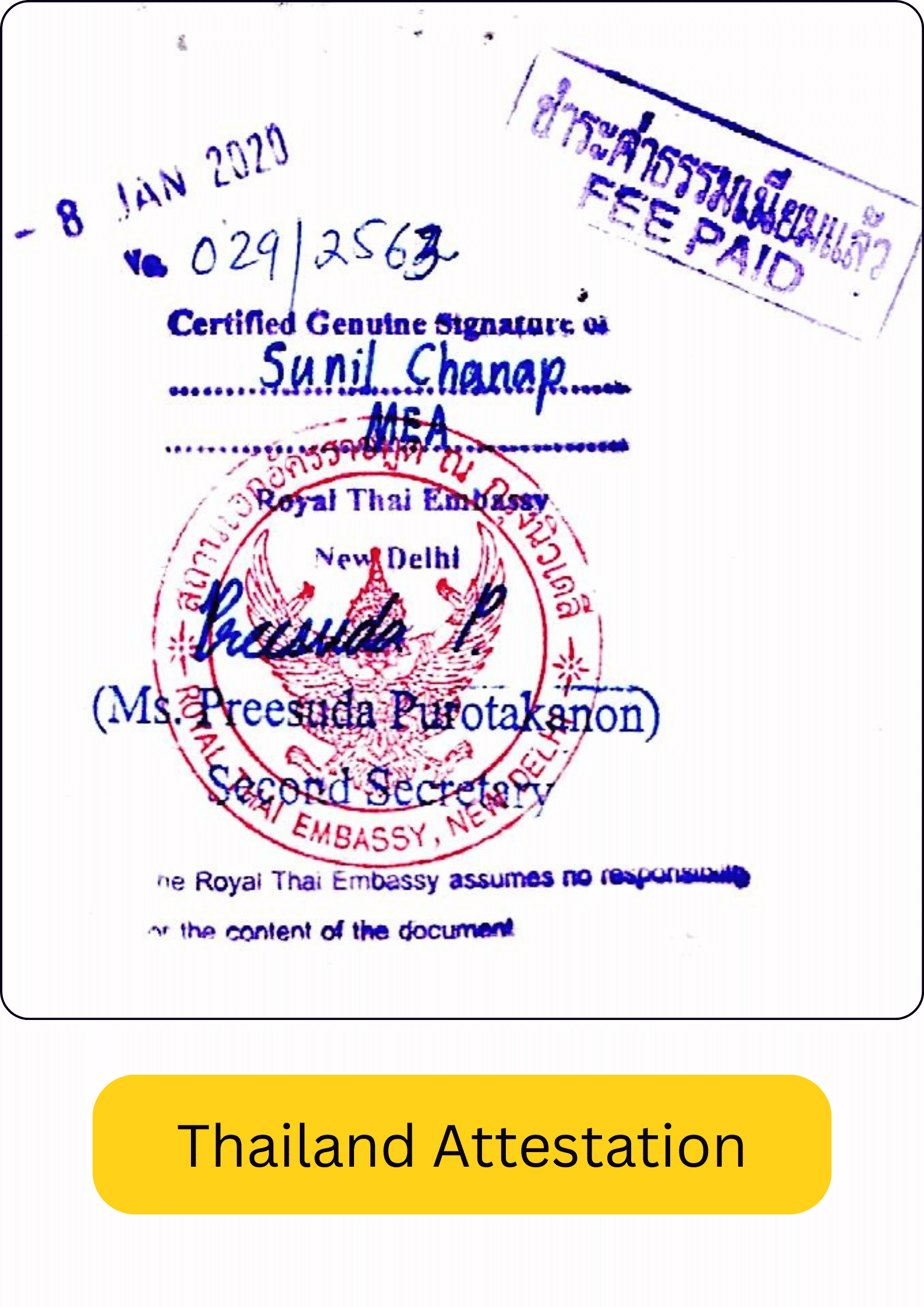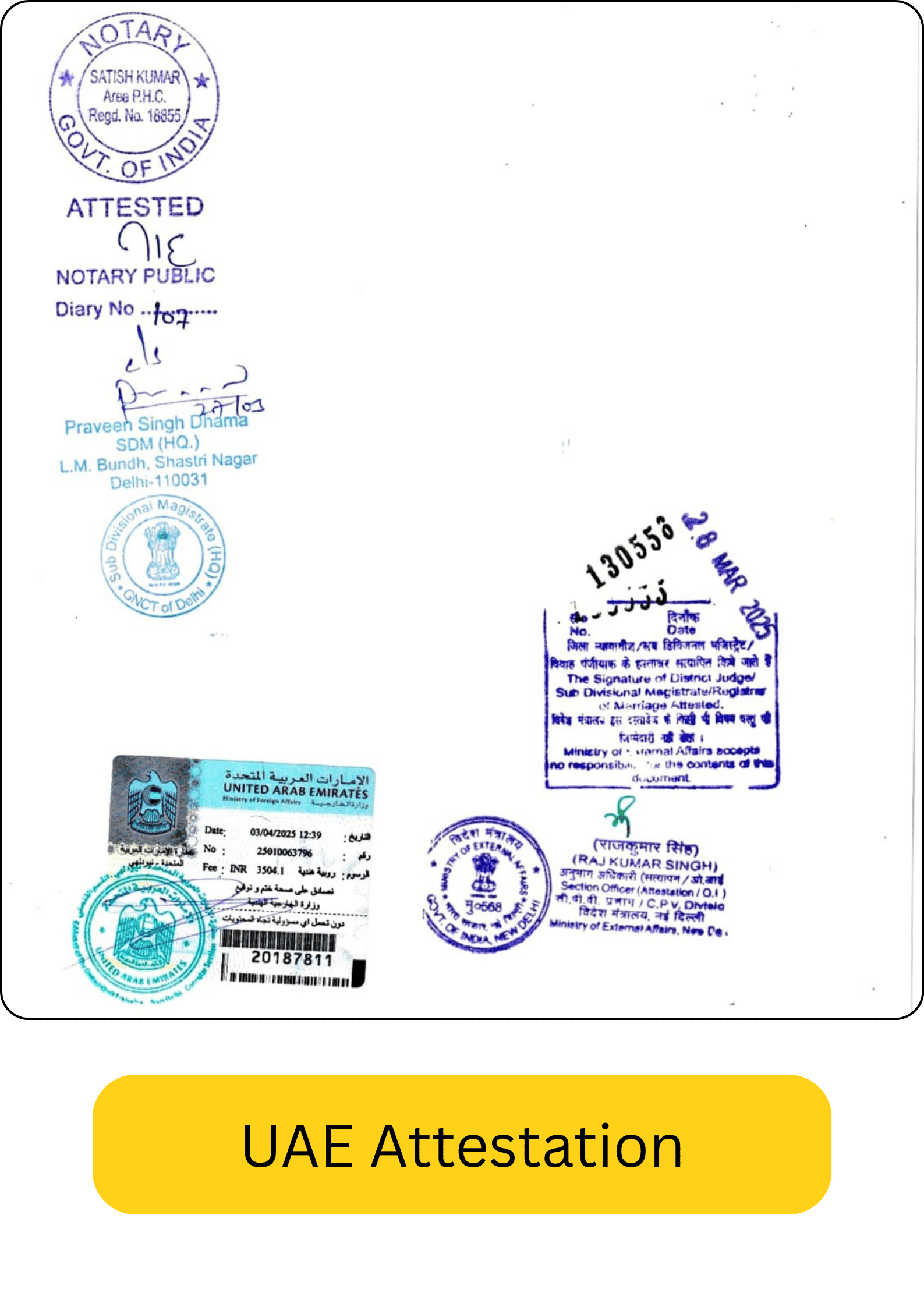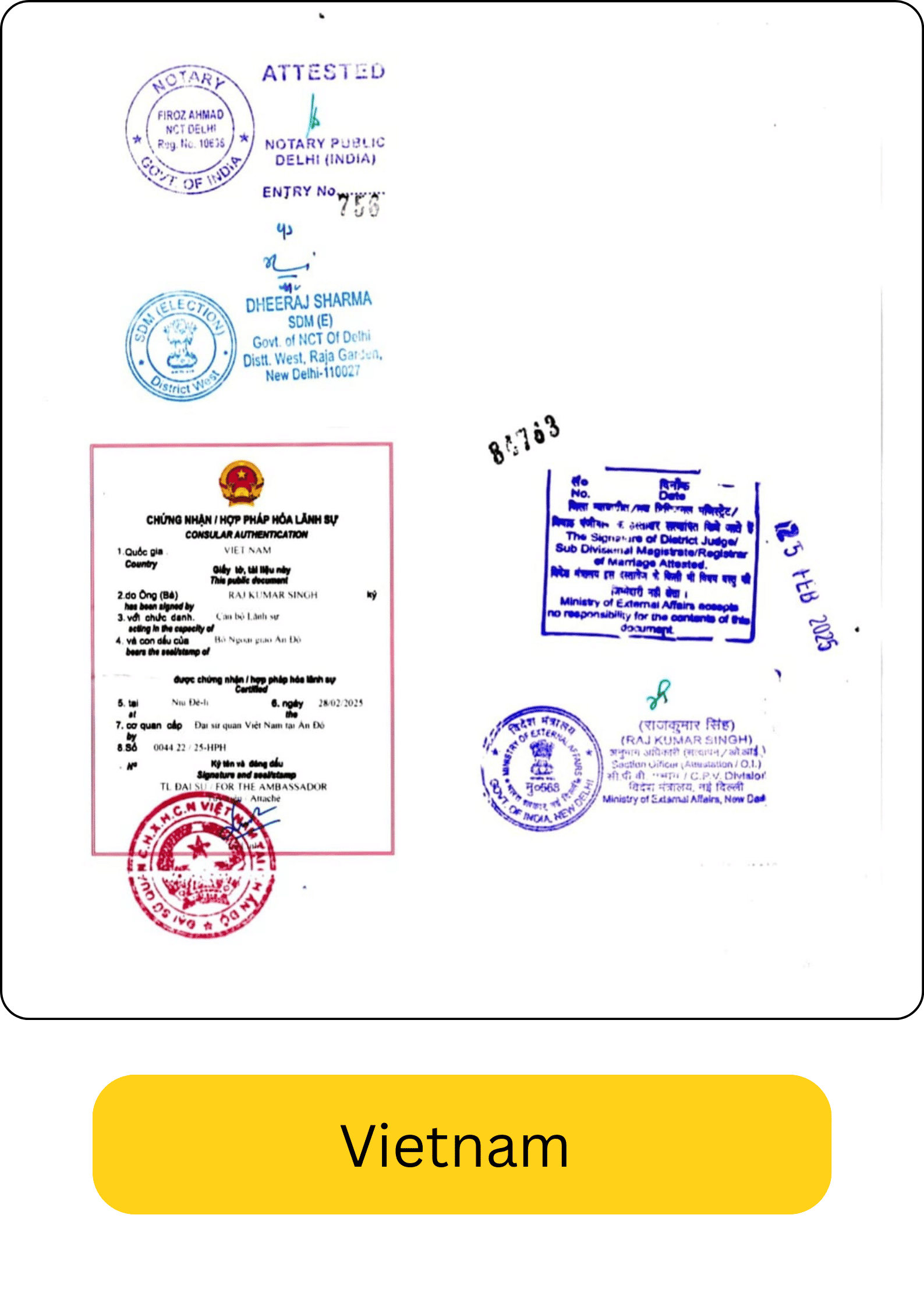
For professionals planning to work in Gulf Cooperation Council (GCC) countries such as the UAE, Saudi Arabia, and Qatar, HRD attestation is a mandatory step in the document legalization process. These countries strictly verify educational credentials to prevent fraud and ensure that foreign workers meet professional standards. Understanding HRD document verification is essential for smooth visa approval and employment acceptance.
What Is HRD Attestation?
HRD attestation refers to the authentication of educational documents by the Human Resource Department (HRD) of the respective Indian state where the document was issued. The purpose of HRD document verification is to confirm the authenticity of degrees, diplomas, and certificates issued by recognized institutions.
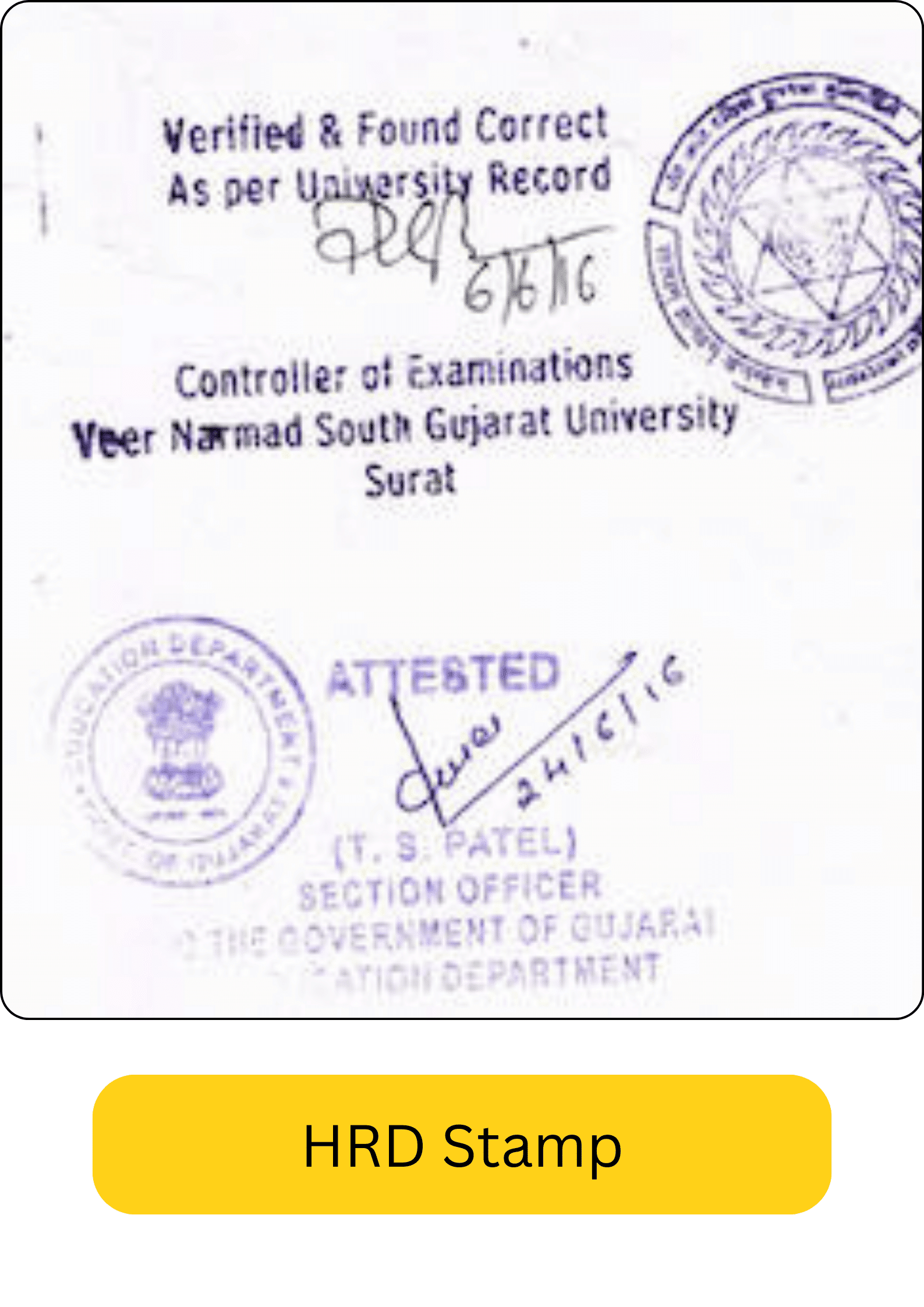
Once verified, the document receives an HRD stamp on degree, certifying that the qualification is genuine and approved for further embassy or MOFA attestation.
Why HRD Attestation Is Compulsory for Gulf Countries
Gulf countries rely heavily on foreign professionals in sectors like healthcare, engineering, education, and IT. To maintain high standards, authorities in the UAE, Saudi Arabia, and Qatar require HRD attestation before issuing employment visas.
Without completing HRD document verification, educational certificates are not accepted by embassies. The HRD stamp on degree acts as proof that the qualification has been verified at the source level, reducing the risk of fake or unrecognized degrees entering the system.
HRD Verification Process Explained
The HRD verification process involves multiple stages and varies slightly by state, but generally includes:
- Submission of original degree and supporting documents
- University or board verification by HRD
- Background authentication by the state education department
- Issuance of HRD attestation stamp
The HRD verification process can take from a few days to several weeks, depending on the university response and state regulations. Accurate documentation is critical to avoid delays or rejection.
Importance of HRD Stamp on Degree
The HRD stamp on degree is a crucial requirement for further attestation steps, such as MEA attestation and embassy legalization. Gulf embassies do not process educational documents without completed HRD attestation, making it a non-negotiable step for employment and residency visas.
HRD Attestation for UAE, Saudi Arabia, and Qatar
- UAE: Mandatory for work visas, especially in regulated professions
- Saudi Arabia: Required for professional licensing and employment contracts
- Qatar: Essential for education, healthcare, and technical job roles
In all three countries, HRD document verification ensures that only qualified professionals are allowed to work.
Conclusion
HRD attestation is a vital requirement for anyone planning to work in Gulf countries. Completing the HRD verification process, obtaining the HRD stamp on degree, and ensuring proper HRD document verification can save time, prevent visa rejection, and ensure compliance with GCC immigration laws. For a hassle-free experience, applicants should begin the process early and ensure all documents are accurate and complete.