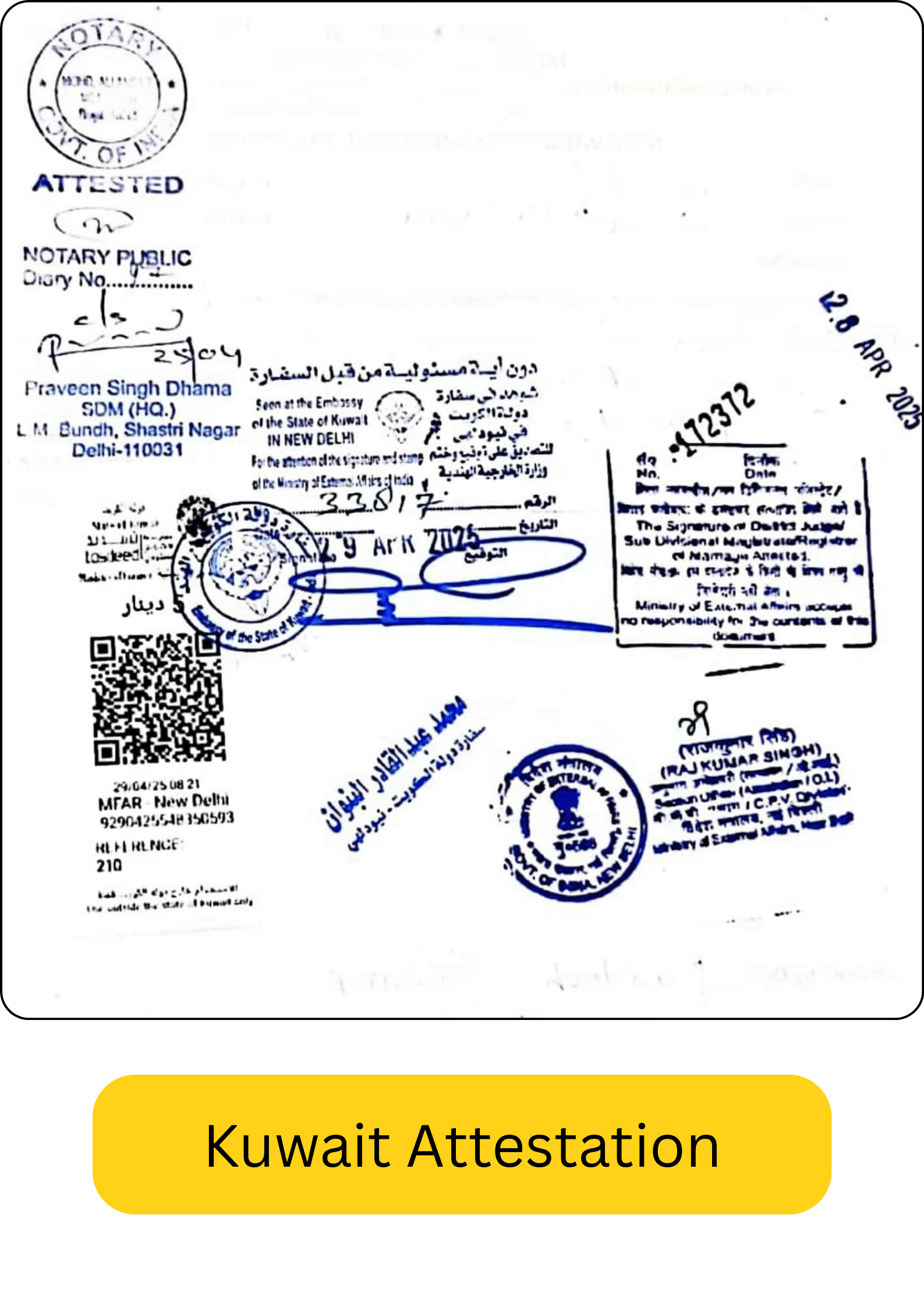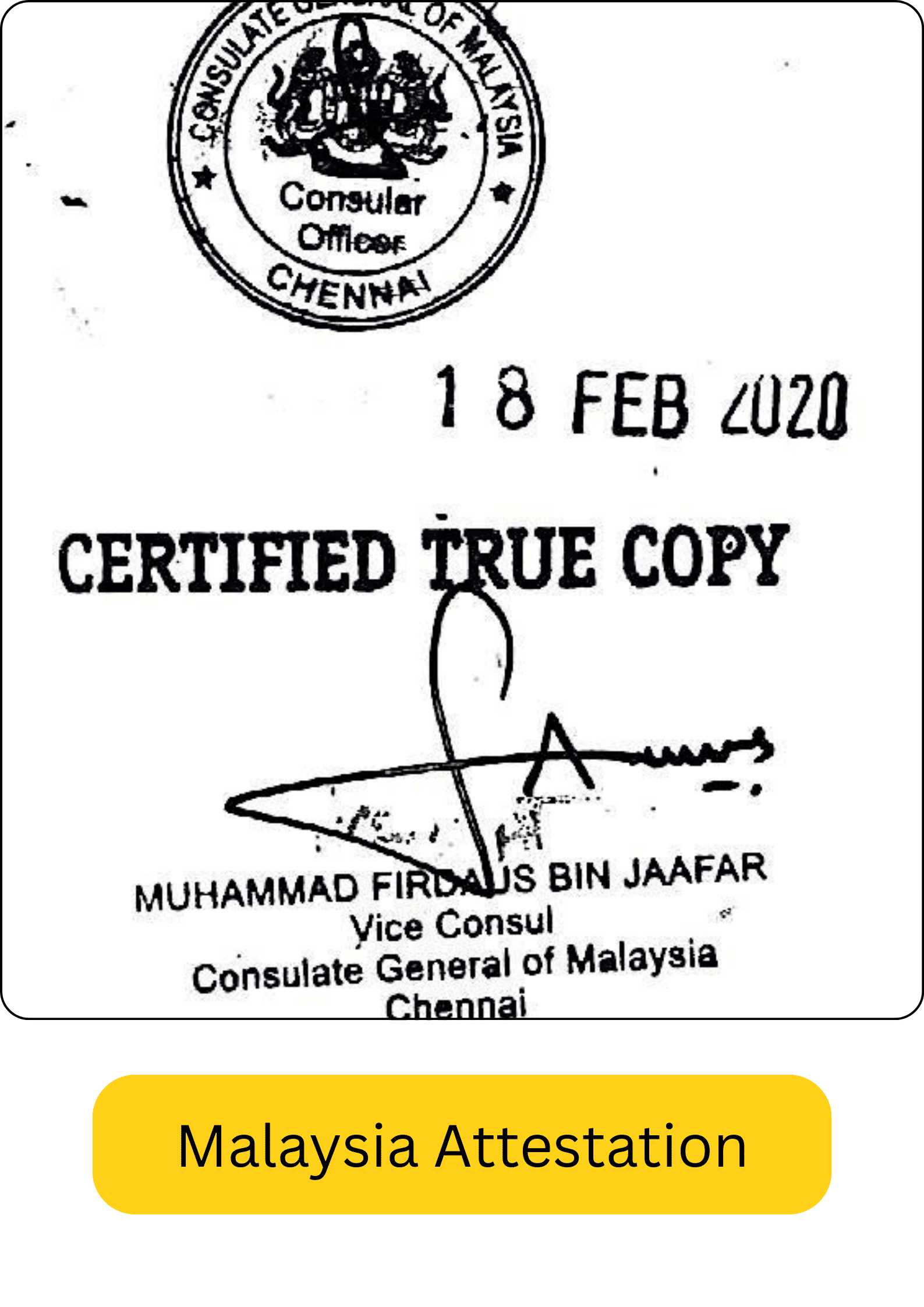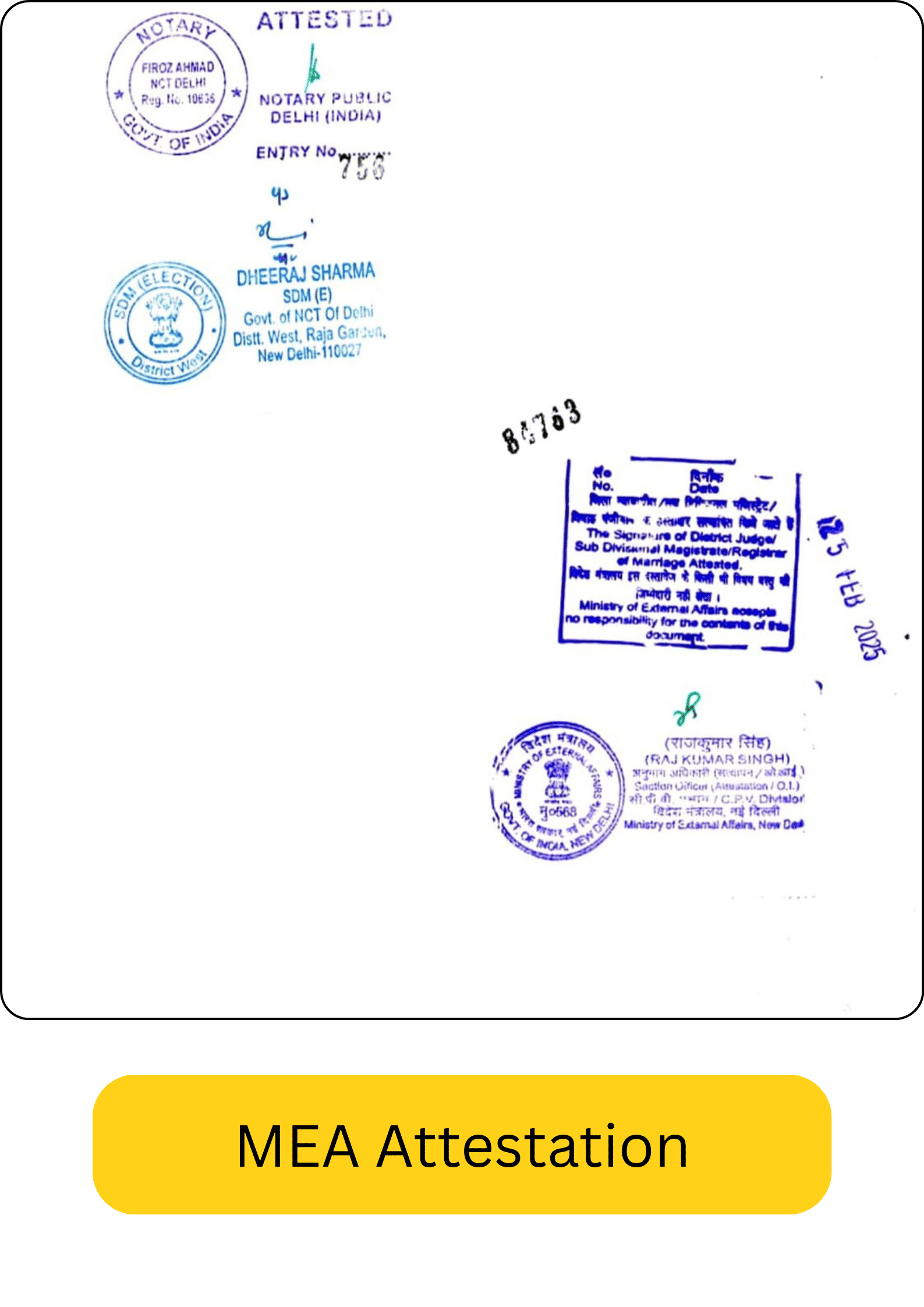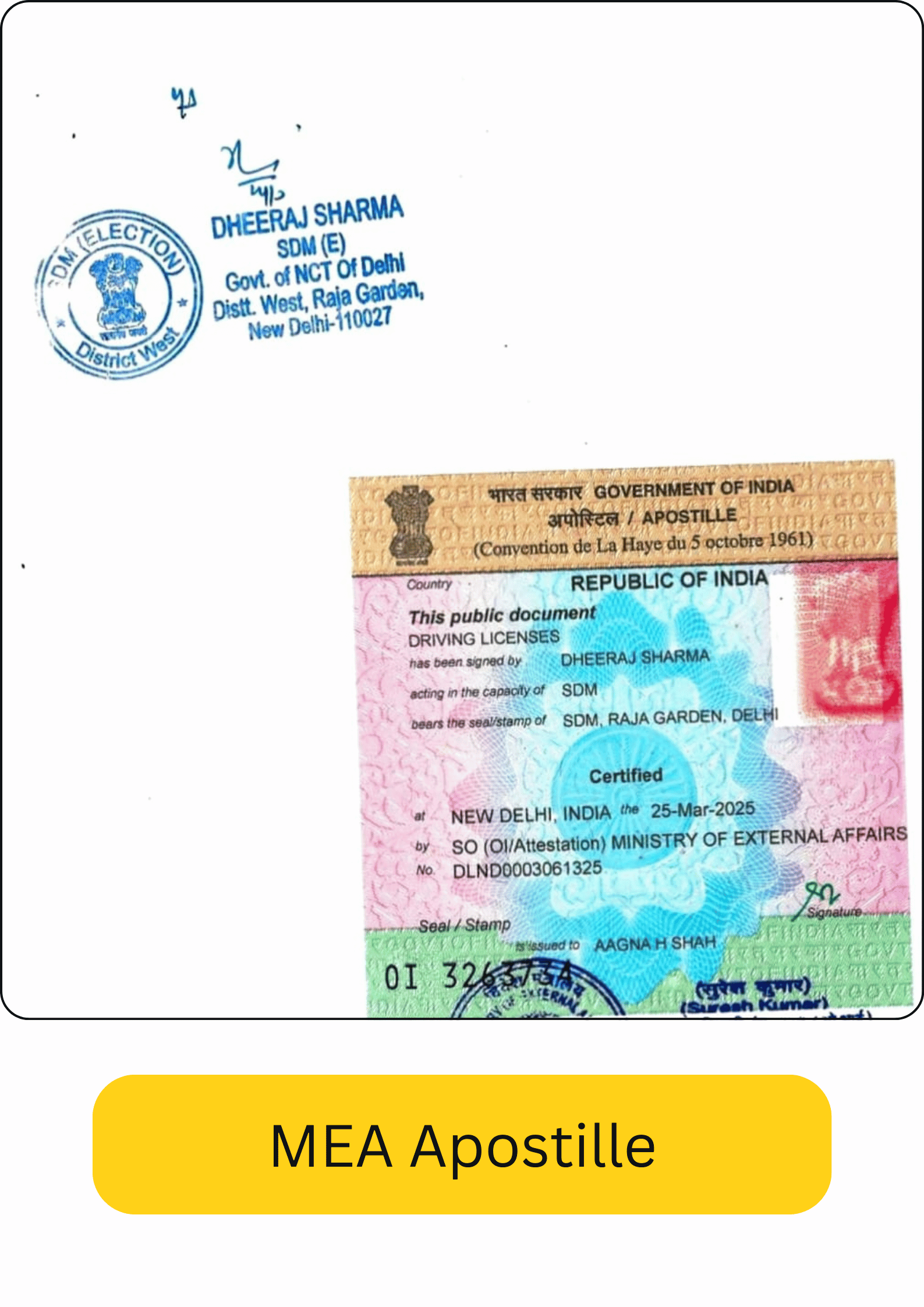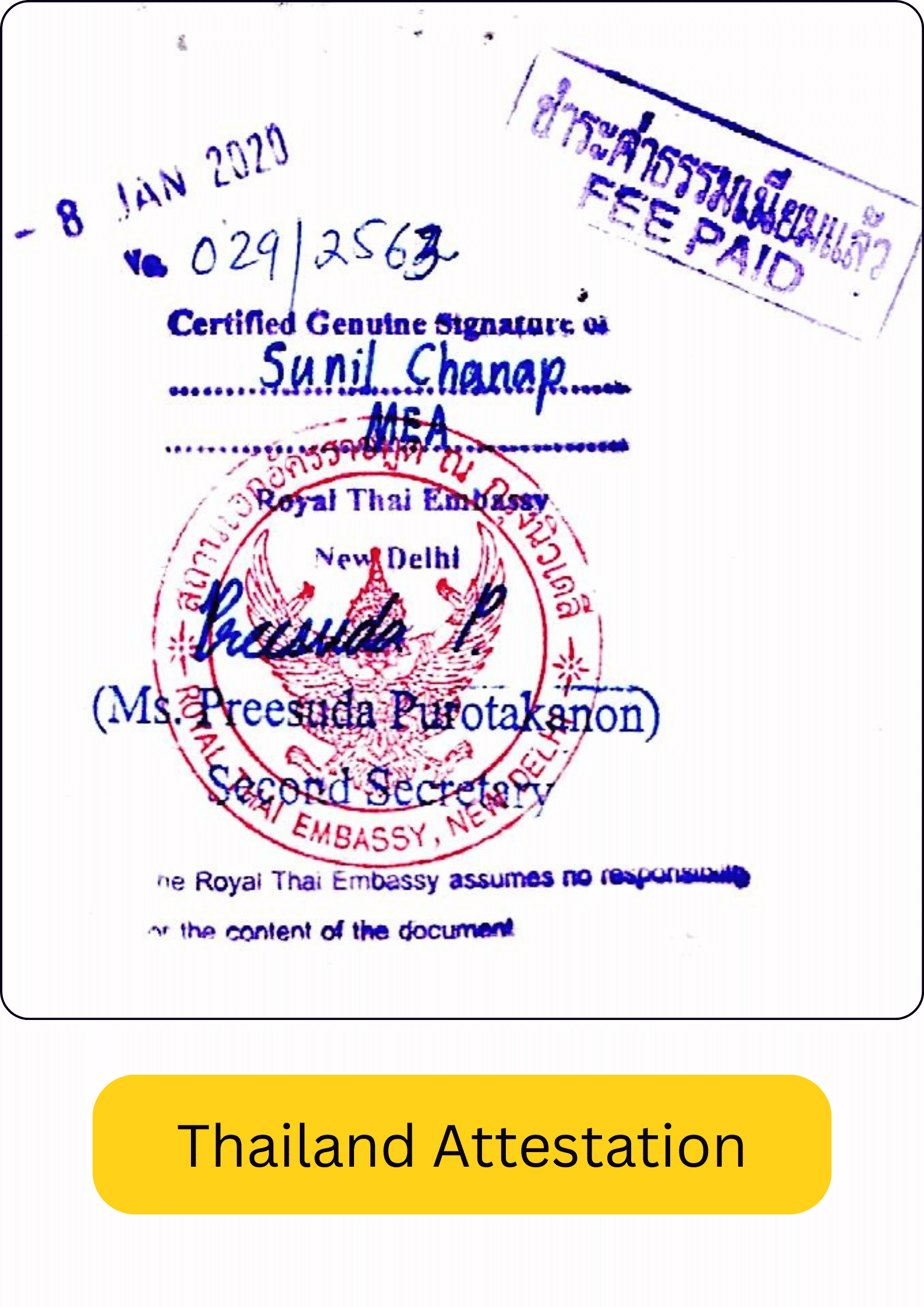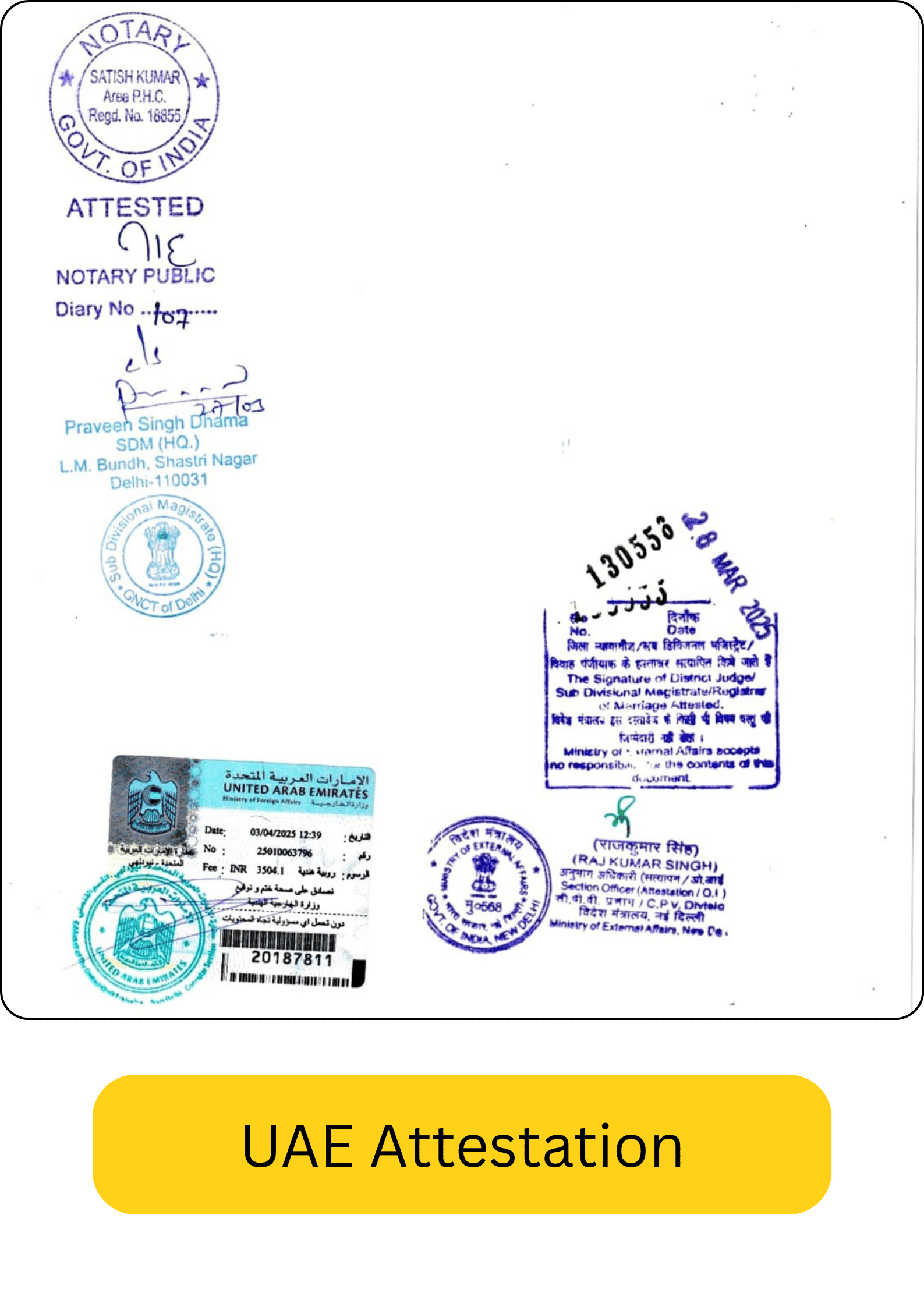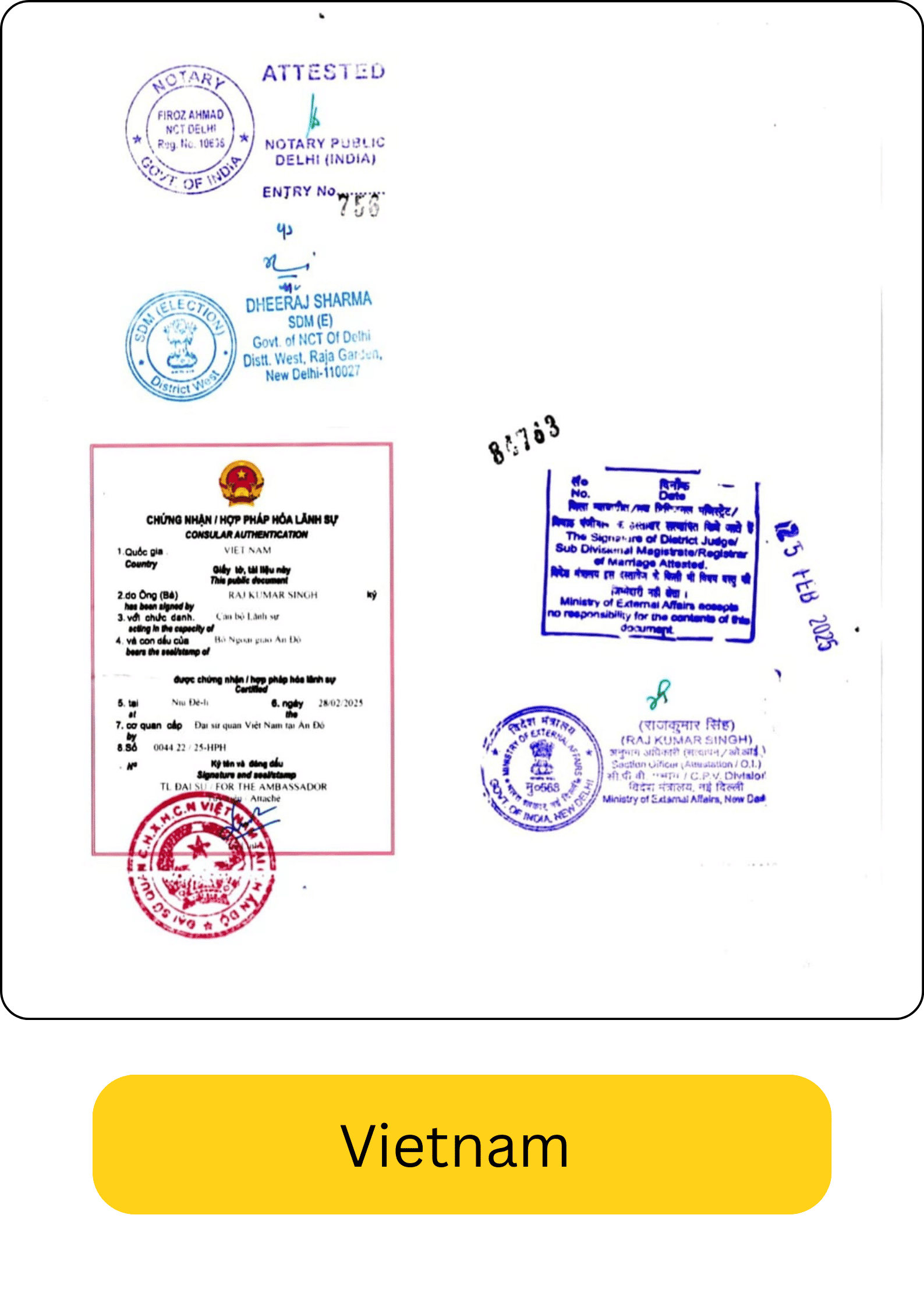
If you’re involved in international trade, one document you’ll hear about very often is the Certificate of Origin from the Chamber of Commerce. This certificate confirms the country where your goods were manufactured and is required by customs authorities, banks, and importers across the world.
In this guide, you’ll learn how to get a Certificate of Origin, what the certificate of origin application process looks like, why Chamber of Commerce attestation is important, and how the Certificate of Chamber of Commerce helps exporters build trust and compliance.
What Is a Certificate of Origin?
A Certificate of Origin from the Chamber of Commerce is an official document that certifies the origin of goods being exported. It tells the importing country where the product was made or processed.
This certificate is commonly required for:
• Customs clearance
• Trade agreements & tariff benefits
• Bank documentation (LCs)
• Import compliance
Once issued, the document is validated through Chamber of Commerce attestation, making it legally accepted by foreign authorities.
Why Do You Need a Certificate of Chamber of Commerce?
The Certificate of Chamber of Commerce is proof that your export shipment meets the origin rules of the importing country. Without it, your goods may face:
❌ Delays at customs
❌ Higher import duties
❌ Rejection by the buyer
That’s why understanding how to get a Certificate of Origin correctly is essential for smooth international trade.
Step-by-Step Certificate of Origin Application Process
Let’s break down the full certificate of origin application process in simple steps:
Step 1: Register with the Chamber of Commerce
Before applying, your business must be registered with your local Chamber of Commerce. This is mandatory to get Chamber of Commerce attestation.
You’ll need:
• Company registration certificate
• GST certificate
• IEC (Import Export Code)
• PAN card
• Authorized signatory ID
Step 2: Prepare Required Documents
To get a Certificate of Origin from the Chamber of Commerce, you must submit:
- Commercial Invoice
• Packing List
• Purchase Order / Sales Contract
• Shipping Bill (if available)
• Product manufacturing declaration
These documents prove where your goods originate from and support your application.
Step 3: Fill the Application Form
You can apply either:
✔ Online (many chambers offer e-COO portals)
✔ Offline at the chamber office
This step is the core of how to get a Certificate of Origin. You’ll enter:
• Exporter & importer details
• Product description
• HS Code
• Country of origin
• Shipment details
Step 4: Submit & Pay Fees
After submitting the form and documents, you’ll pay the official fee.
💰 Fee Range (India):
₹300 – ₹1,500 per certificate (depends on chamber & urgency)
Once paid, your file moves to verification.
Step 5: Chamber of Commerce Attestation
This is where Chamber of Commerce attestation happens. The chamber verifies your documents and certifies that the origin information is correct.
After approval, the Certificate of Chamber of Commerce is stamped and signed.
Step 6: Collect or Download Certificate
You can:
✔ Collect the physical certificate
✔ Or download the digitally signed Certificate of Origin from the Chamber of Commerce
You’re now ready to submit it to customs, banks, or your overseas buyer.
Types of Certificates of Origin
- Non-Preferential COO
Used for general exports without tariff benefits. - Preferential COO
Used under trade agreements (like ASEAN, SAFTA, etc.)
Both require proper Chamber of Commerce attestation before use.
Processing Time
⏱ Normal: 1–3 working days
⚡ Urgent: Same day / Next day (extra fee)
If documents are incomplete, the certificate of origin application process may take longer.
Common Mistakes to Avoid
❌ Incorrect HS codes
❌ Wrong country of origin
❌ Missing signatures
❌ Mismatch between invoice & COO
❌ Skipping Chamber of Commerce attestation
These errors can delay your shipment and affect buyer confidence.
Can You Use Professional Help?
Yes! Many exporters use consultants or export agents who specialize in:
✔ Certificate of Origin from the Chamber of Commerce
✔ Chamber of Commerce attestation
✔ Documentation & compliance
They ensure your Certificate of Chamber of Commerce is error-free and issued on time.
Final Thoughts
Understanding how to get a Certificate of Origin is essential for every exporter. The certificate of origin application process may look technical, but once you follow the right steps—registration, documentation, application, payment, and Chamber of Commerce attestation—it becomes simple and fast.
A correctly issued Certificate of Origin from the Chamber of Commerce builds trust with buyers, reduces customs delays, and helps your business grow globally.
If you’re exporting for the first time or handling bulk shipments, make sure your Certificate of Chamber of Commerce is accurate, complete, and attested properly.