The increasing international opportunities for education, work, immigration and business, mean that document authentication is an absolute necessity for people and organizations wishing to be recognized internationally. If you’re planning to apply for a student visa, seek permanent residency, work overseas, or expand your business globally, it is essential to know about the apostille process in India.
The apostille process in India is complicated, with various verification steps, government officials and requirements for different documents. Each type of certificate, from educational to personal to commercial, must go through a specific document apostille process in order to be valid internationally.
In this detailed study, Vedic Global Services elaborates on the entire process of applying for an Apostille in India, and the value that professional support can offer in this journey.
What Is An Apostille
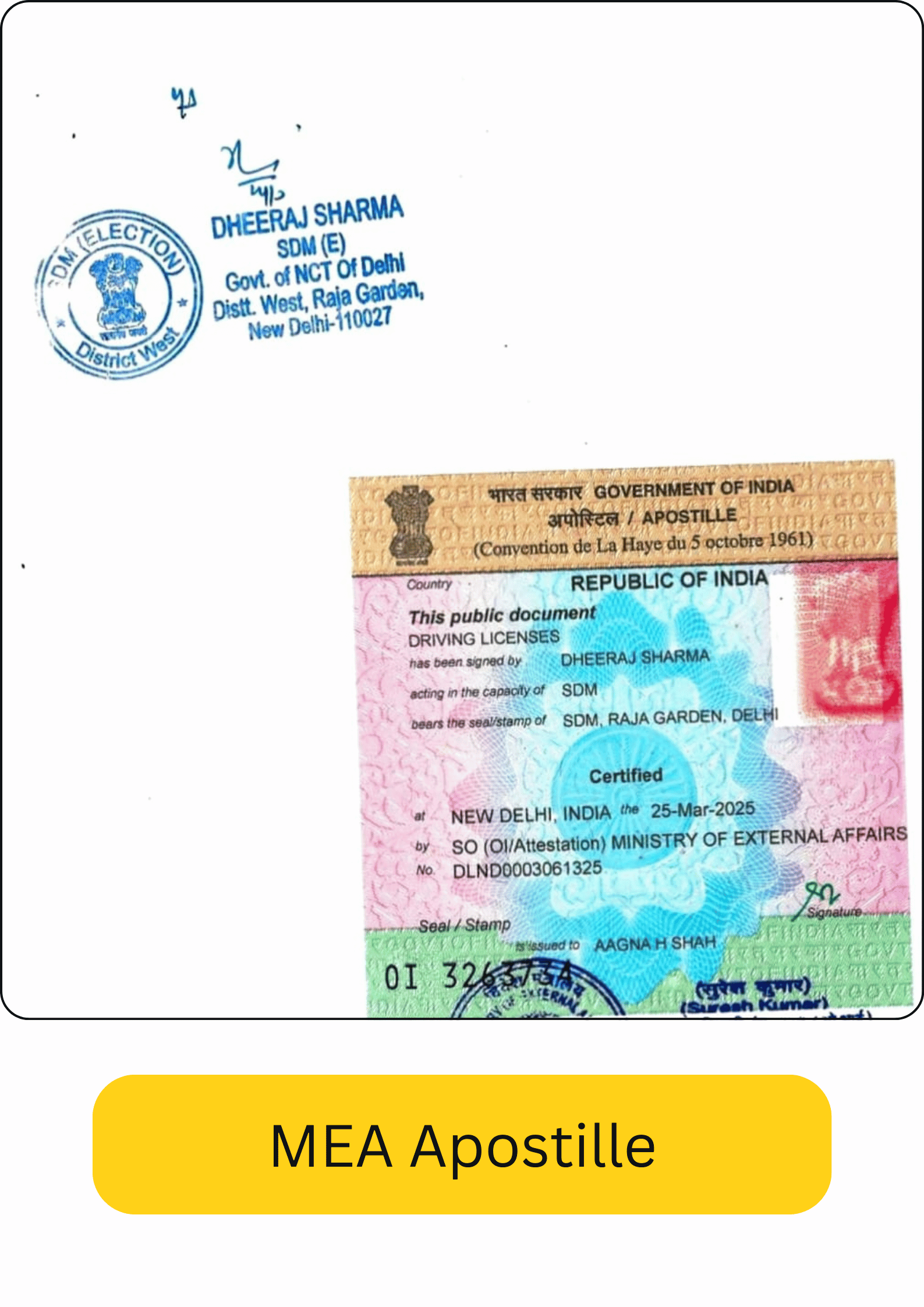
An apostille is an official certification under the Hague Apostille Convention which certifies the origin of a public document. It facilitates the legal recognition of documents issued in one member country in the other member country without a need for further legalisation by the Embassy.
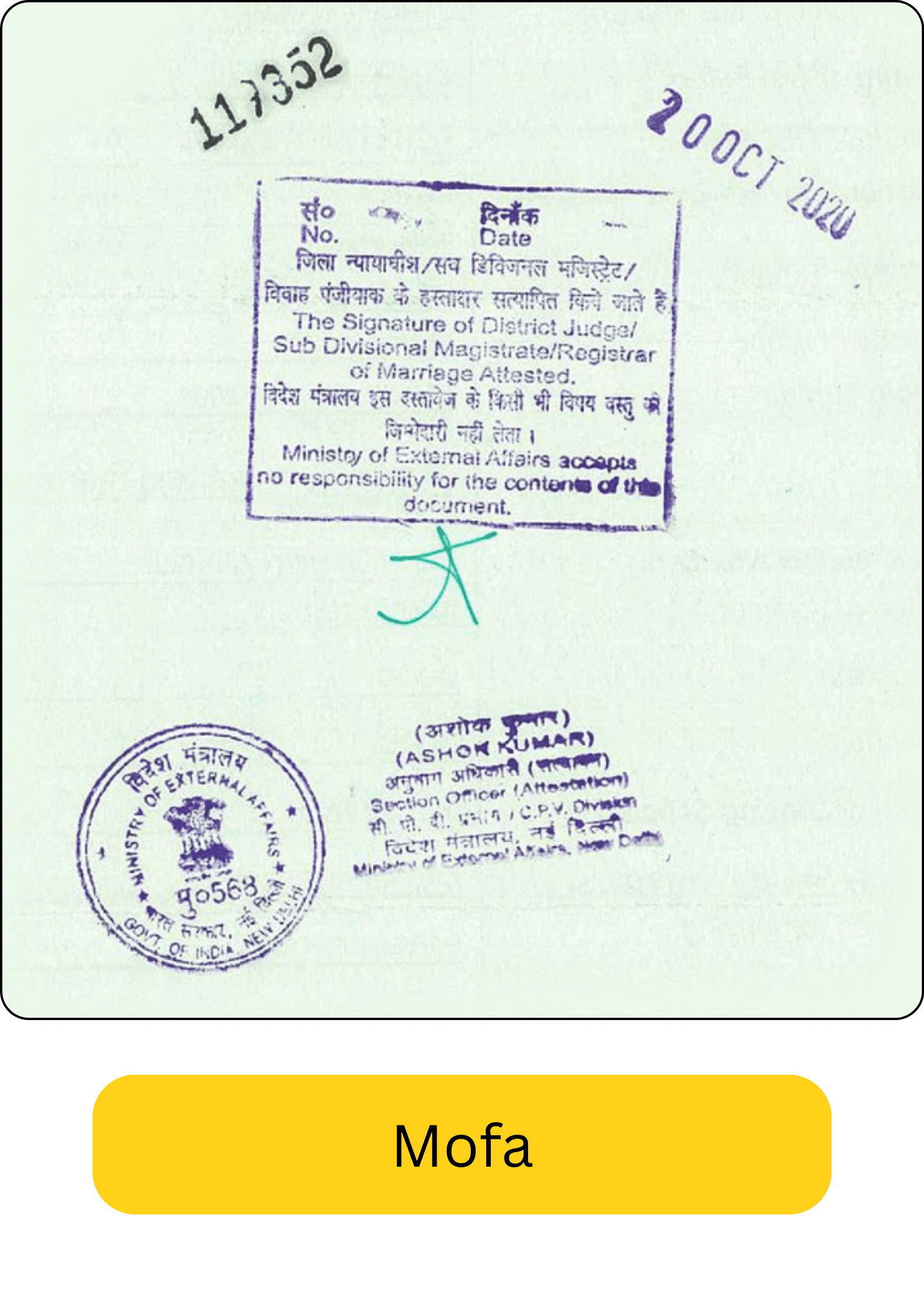
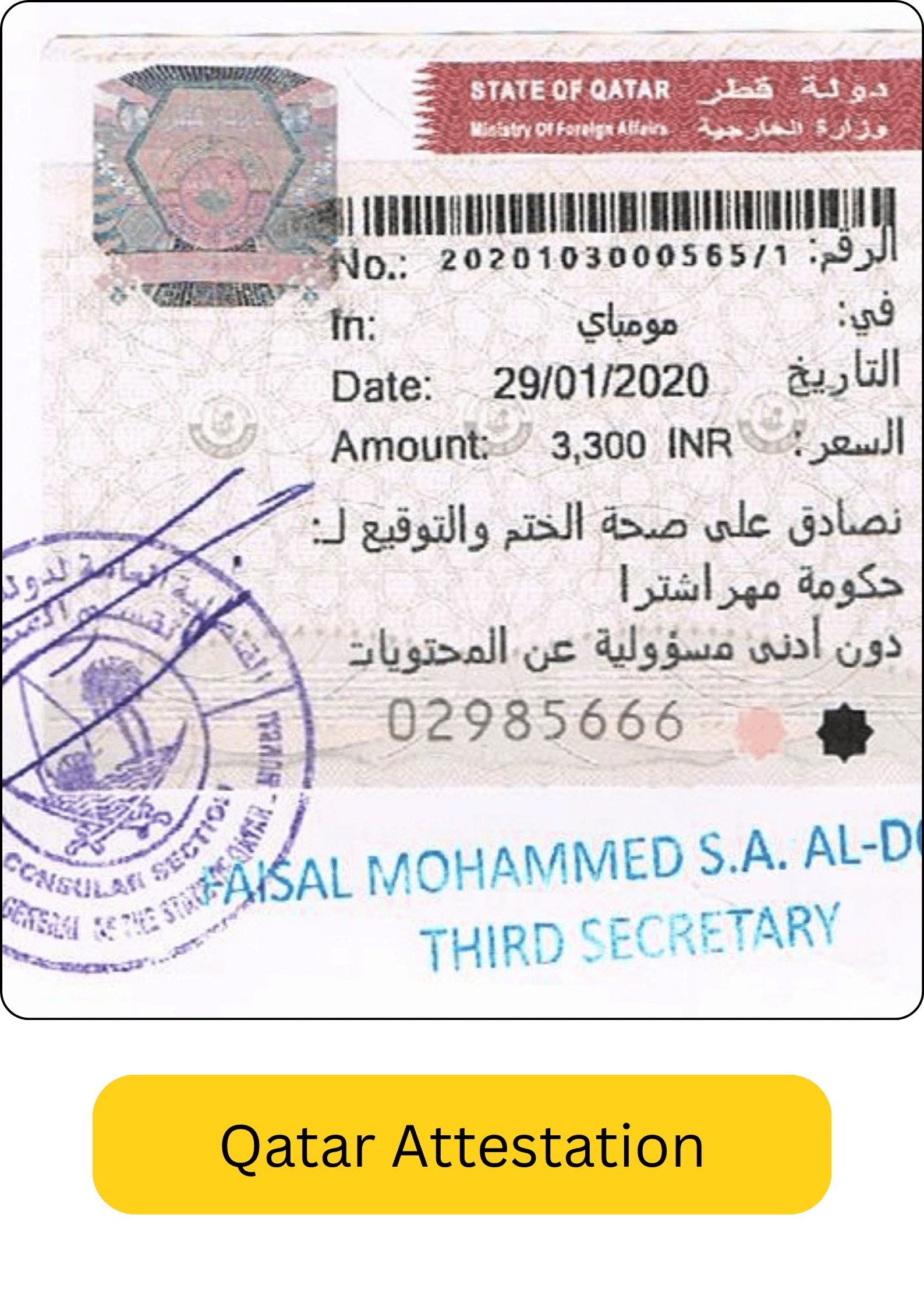
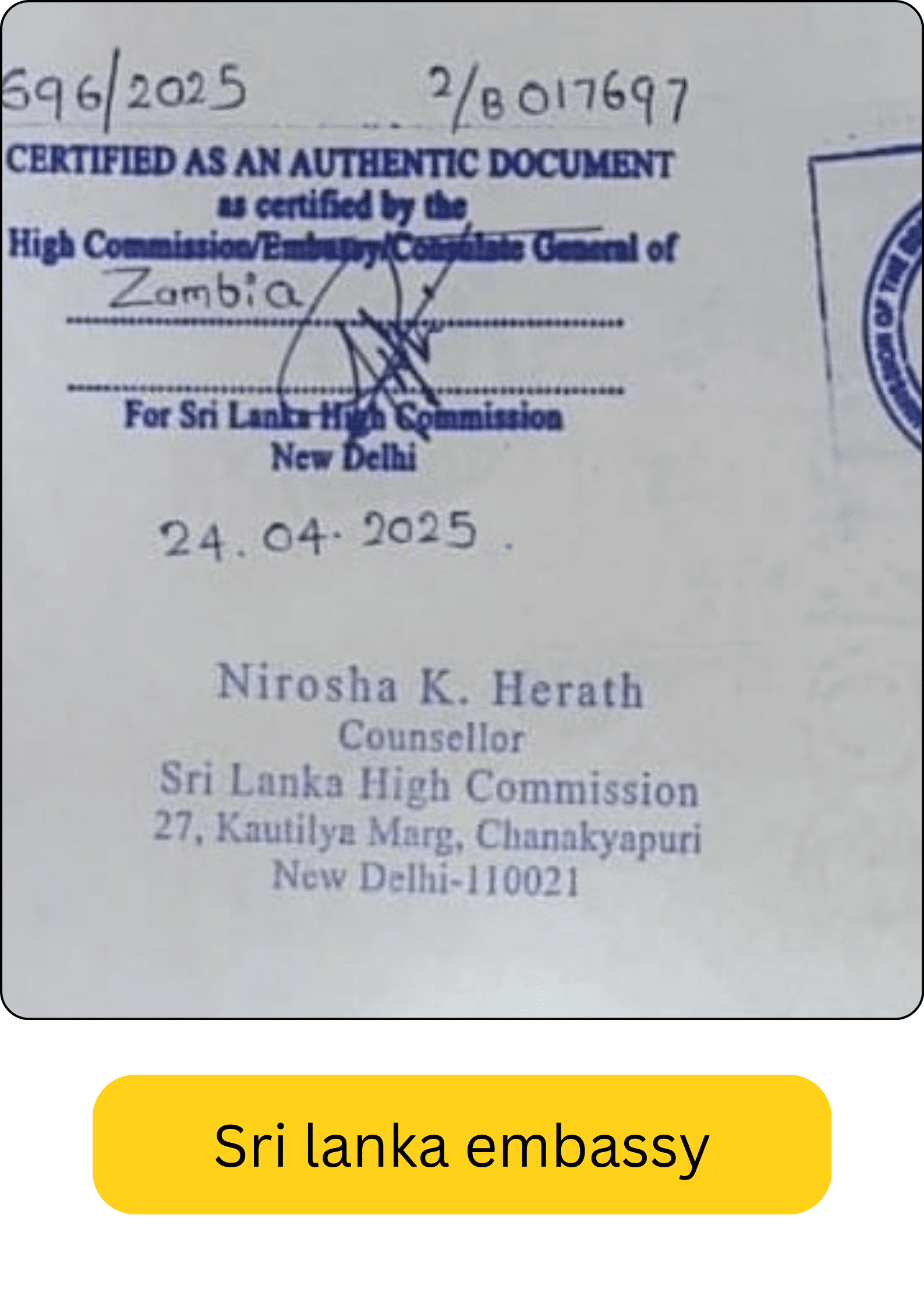
The Ministry of External Affairs (MEA) is the competent authority in India to issue apostilles. The document is now accepted in countries that have ratified the Hague Convention, such as Germany, France, Australia, Netherlands, Italy, Portugal, South Korea and more.
The following are typical documents that are often apostilled:
- Higher education abroad
- Overseas employment opportunities
- Skilled migration and permanent residency
- Family reunification and dependent visas
- International marriage registration
- Development of business and trade.
- Professional licensure/certification
Knowing the official procedure of an apostille in India enables the applicants to ensure that foreign officials will accept their documents without any hassle.
Step 1: Identify the Type of Document
The first step in the apostille application procedure is determining which category of documents need to be apostiled.
In general, there are three types of documents:
Educational Documents
These are such as degree certificates, diplomas, transcripts and academic records.
Personal Documents
These include birth certificates, marriage certificates, police clearance certificates and other civil records.
Commercial Documents
They are some of the business agreements, company incorporation certificates, invoices, and export documents.
The requirements of the document apostille process will differ depending on the type of document being apostilled.
Step 2: Verification by the Relevant Authority
Documents are sometimes subject to pre-verification prior to the issuance of an apostille by the Ministry of External Affairs.
Documents may be verified by Educational authorities/ Universities for Educational documents. Personal documents may have to be authenticated through the appropriate state departments, and commercial documents may be verified by appropriate chambers or authorities.
This verification stage is one of the most significant in the apostille process in India, ensuring the authenticity of documents.
Step 3: State-Level Authentication
In many instances documents need to be authenticated at the state level before further action can be taken.
This is an extra step of verification in the entire apostille procedure in India. The designated authority verifies that the document is from a legitimate institution or government body.
apostille procedure india is a critical part of the process in the application and completion of this stage is crucial for the process.
Step 4: Ministry of External Affairs Apostille
After all these verifications, it is submitted to the Ministry of External Affairs.
The MEA checks the verification records and adds the apostille certificate, thereby completing the document apostille process.
The document is now valid for use in Hague Convention countries, and does not require further legalisation by the embassy.
This step is the last one of apostille process India for countries that acknowledge apostille certification.
Step 5: Submission to Foreign Authorities
After completion of the apostille process in India, applicants can submit their authenticated documents to:
- Universities
- Employers
- Immigration departments
- Licensing authorities
- Government agencies
- Business partners abroad
The apostille certification makes it easy, fast and simple for foreign authorities to verify the authenticity of the document.
There are several factors that could impact the Apostille timeline, such as:
The time it takes for the apostille procedure india to be completed varies based on a number of factors:
- Type of document
- Verification requirements
- State-level authentication timelines
- Issuing authority procedures
- Completeness of the information provided in the submissions
Some documents for education purposes might need to be authenticated from universities, and some personal documents will be authenticated through other channels.
By being aware of these of these factors, applicants will have the ability to better plan the document apostille procedure.
Why Professional Assistance Matters
While India has official rules and regulations for the apostille process, delays are often experienced by the applicants because of incomplete documents, incorrect documents, or lack of understanding of the verification requirements.
The process can be streamlined with the assistance of professionals to ensure that documents are prepared correctly before submission.
The process of getting an apostille in India involves multiple stages of coordination and verification from various authorities, which is often a daunting task for many applicants.
Proper document authentication is particularly significant when university applications, employment letters of offer, immigration applications or business offers are involved on time.
We at Vedic Global Services know that each document is a significant opportunity. From students’ acceptance to foreign universities to job offers from abroad to families’ immigration papers to companies expanding their business overseas, authenticated documents are playing an important role.
Our team can navigate the entire apostille application process, making sure that the applicant is aware of the requirements, has prepared the necessary documents, and has gone through each step of the process efficiently.
We have the knowledge and experience to guide our clients through the apostille procedure in India and help them navigate potential pitfalls with ease.
We understand that our clients rely on us as a trusted service provider, and we are committed to delivering the document apostille service with transparency, timely communication, and personalized support, ensuring a seamless process that avoids unnecessary delays.
Vedic Global Services is a trusted partner for those looking for authentic and dependable information on the apostille procedure India.
Making your Apostille Process Easier
The apostille in India process is a crucial procedure for anyone who wishes to utilize Indian documents abroad. The entire process of obtaining an apostille from the State requires precision and meticulous attention to detail, from verification to state authentication and final MEA certification.
To avoid delays and ensure the smooth acceptance of documents abroad, it is necessary to understand the whole document apostille procedure and follow the proper apostille application process.